As climate patterns shift and water conservation becomes more important across California, homeowners in the Inner East Bay are increasingly turning to sustainable landscaping solutions. One option gaining attention is the rain garden, a simple, low-maintenance way to enhance your yard’s beauty while benefiting the environment. Whether you’re in Oakland, Berkeley, El Cerrito, or Alameda, a rain garden can be a smart, eco-friendly addition to your outdoor space.
What is a Rain Garden?
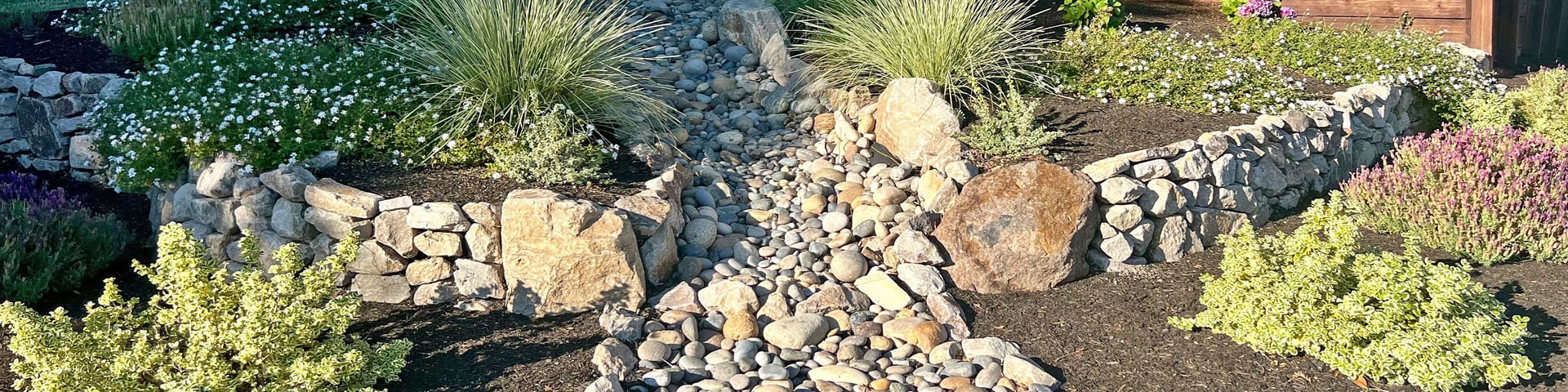
A rain garden is a shallow, landscaped basin designed to collect and absorb rainwater runoff from roofs, driveways, patios, or streets. Rather than allowing water to rush into storm drains (picking up pollutants along the way), a rain garden filters and slows it down, allowing it to soak into the ground and replenish local aquifers.
Rain gardens are typically planted with native grasses, perennials, and shrubs that can tolerate both wet and dry conditions.
Benefits of Installing a Rain Garden in the East Bay
Rain gardens help manage stormwater, especially during heavy winter rains. In urban neighborhoods like Temescal or Rockridge, where hard surfaces dominate, this can prevent overwhelmed storm drains and reduce erosion. They also trap pollutants like oil, fertilizers, and pesticides before they reach the Bay.
When planted with native species, rain gardens attract pollinators like butterflies, bees, and birds. This supports the East Bay’s local ecosystems, especially as open spaces face development pressure.
Many rain garden designs feature drought-tolerant native plants that require little to no supplemental watering once established, making them a smart choice for East Bay homeowners mindful of water use.
With thoughtful design, a rain garden becomes an attractive landscape feature. Whether you favor a naturalistic look or a more structured layout, it can add texture, color, and visual interest to your yard.
Eco-conscious landscaping is becoming more appealing to buyers. A well-designed rain garden could be a subtle but meaningful selling point when it comes time to list your home.
While rain gardens offer many advantages, there are a few things to keep in mind:
- Initial planning and site analysis are critical. Poor placement could lead to standing water or drainage issues.
- They require some digging and soil amending, especially if your property has heavy clay soil common in the East Bay.
- Maintenance is low, but not zero. You’ll need to weed, mulch, and occasionally replant—particularly in the first few years.
Getting Started
We recommend working with a landscape professional who understands the micro-climates and soil conditions throughout the East Bay before getting started. However, here’s a simple step-by-step to consider if you’re thinking about installing a rain garden:
1. Identify a Location
Choose a spot that collects runoff naturally like below a downspout or at the end of a sloped driveway. Make sure it’s at least 10 feet from your home’s foundation to avoid water seepage.
2. Know Your Soil
Sandy or loamy soils drain well, while clay-heavy soils may need to be amended with compost or sand to improve absorption.
3. Design the Garden
Keep it shallow (6–12 inches deep) and create a berm (a raised edge) on the downhill side to contain the water. The size will depend on the area you're draining.
4. Choose Native Plants
Look for East Bay natives that tolerate both wet and dry conditions. Great choices include:
- California fuchsia (Epilobium canum)
- Douglas iris (Iris douglasiana)
- Yarrow (Achillea millefolium)
- Toyon (Heteromeles arbutifolia)
Consider consulting with a local nursery or the East Bay Municipal Utility District’s (EBMUD) plant database for regionally appropriate selections.
5. Dig, Plant & Mulch
After shaping the basin and amending the soil (if needed), plant your selections and cover with mulch to suppress weeds and retain moisture.
6. Observe & Adjust
Monitor the garden after the first few rains. You may need to tweak the grading or add more plants for optimal performance.
In the East Bay, where droughts and deluges can arrive in the same year, a rain garden offers a sustainable and stylish solution. It’s a way to give back to the land, reduce your environmental impact, and enjoy a beautiful, functional landscape.
Whether you DIY or hire a local landscaper, a rain garden is an investment in the future of your home, your neighborhood, and the East Bay itself. Need recommendations? Reach out! We have hundreds of resources throughout the East Bay.