Torn between Castro Valley and the Oakland hills for your next home? You are not alone. Both offer big East Bay perks, but the day-to-day experience can feel very different once you factor in commute, parks, lot shape, and ongoing ownership costs. In this guide, you will learn the key trade-offs, see current market context, and get a practical checklist to make a clear choice. Let's dive in.
Castro Valley vs. Oakland hills at a glance
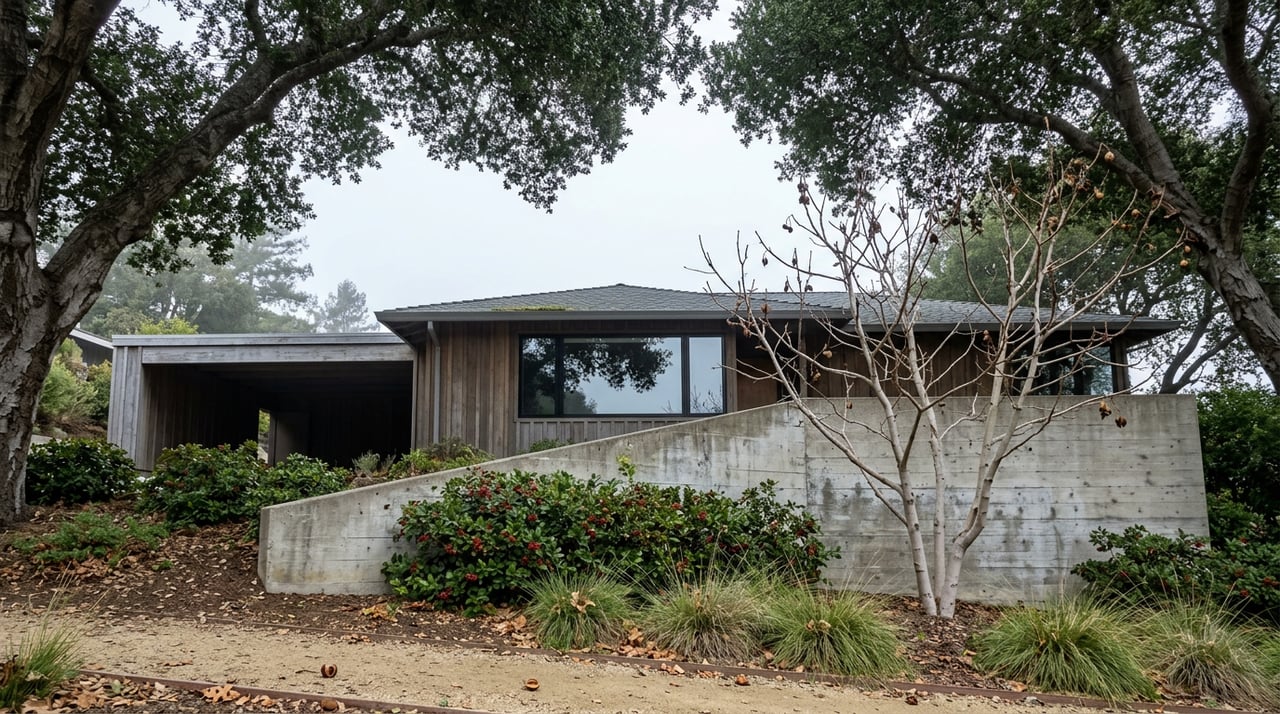
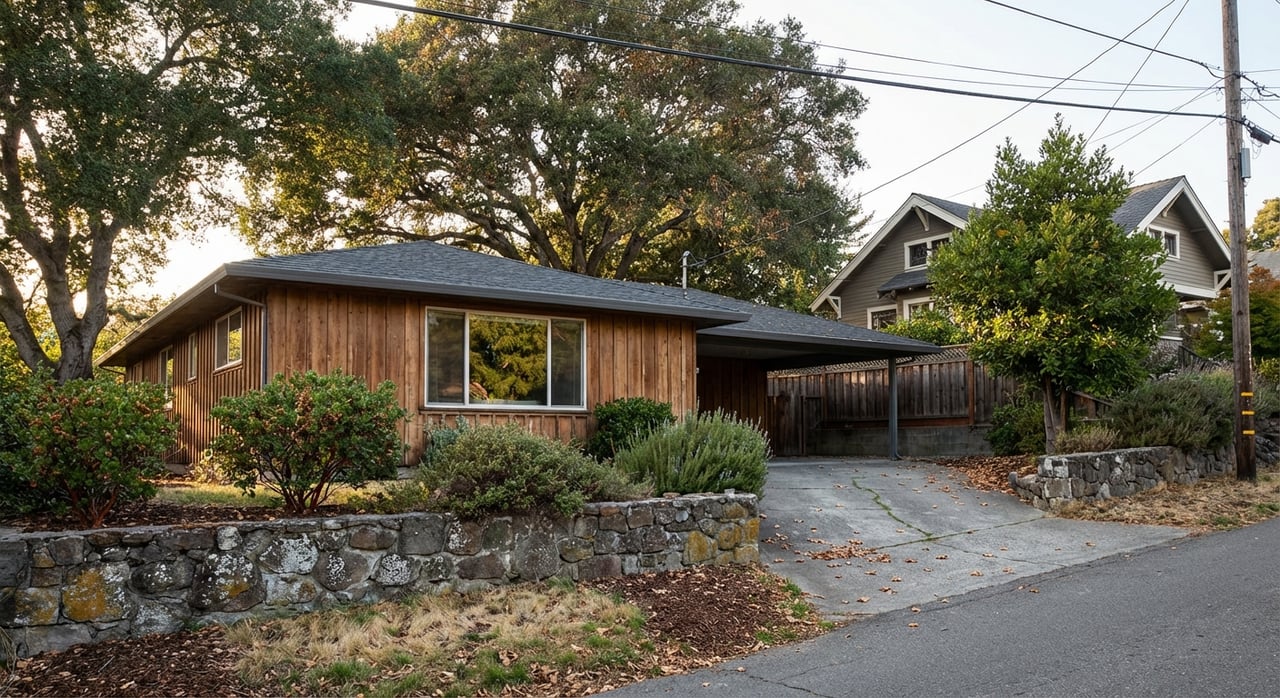
Castro Valley tends to feel more suburban, with more flat, usable yard space and direct BART access in town. Recent snapshots show median sale prices around $1.07M, with many mid-century homes and Eichler tracts. Oakland hills neighborhoods like Montclair, Piedmont Pines, Redwood Heights, and Shepherd Canyon trade flatter yards for wooded privacy, sloped lots, and quick access to big parks. Montclair's median sale price has recently hovered near $1.18M, and some homes capture Bay views.
In one line: Castro Valley often buys you more flat yard and simpler site conditions at a given budget, while the Oakland hills bring closer village amenities and faster reach to central Oakland and Berkeley, but with steeper topography and added wildfire management responsibilities.
Commute and transit
BART access differences
If you want a simple train commute without a car connection, Castro Valley has a built-in advantage. The community is served by the Castro Valley BART station on the Dublin/Pleasanton line, which gives you a direct rail option to downtown Oakland and San Francisco without driving to another station. You can confirm station details on the official Castro Valley BART page.
Most Oakland hills neighborhoods do not have a station in the hills. Many residents use nearby flatland stations, with Rockridge station a common choice depending on your exact address. Plan on a short drive or a bus ride from Montclair or Piedmont Pines to reach a BART platform.
Driving realities
Castro Valley sits right off I-580, which provides a straightforward east-west route across the East Bay. In the hills, you will often use Highway 13, Highway 24, and winding local streets to reach major corridors. The steeper topography can affect commute consistency, driveway access, and guest parking. As always, test your door-to-door route at your actual commute times before you decide.
Parks and outdoor access
Castro Valley's lake and picnic-friendly trails
If you want a suburban lake and easy family amenities close by, Castro Valley's access to Lake Chabot Regional Park is a daily win. You will find boating, fishing, loop trails, and large flat areas for picnics and gatherings within minutes of the BART station and downtown corridor.
Oakland hills' redwoods and ridge trails
The Oakland hills place you next to some of the region's most beloved trail systems. Redwood groves and extensive networks in Reinhardt/Redwood Regional Park and Joaquin Miller Park sit minutes from Montclair Village. Redwood Regional recently joined the National Old Growth Forest Network, underscoring its ecological value. Explore the park's profile through the East Bay Regional Park District's Redwood Regional Park update.
Wildfire and inspection obligations
Large portions of the Oakland hills are mapped within a Very High Fire Hazard Severity Zone. The City of Oakland operates a Vegetation Management program that inspects parcels in these zones and enforces defensible-space compliance. If you buy in the hills, factor in recurring vegetation work and potential inspection notices. Learn more on the City's Wildfire District inspections page. For historical context on the 1991 firestorm that shaped current policy, see the State Fire Marshal's OSFM history.
For a deeper look at what hillside ownership entails — inspections, retaining walls, and long-term budgeting — see our guide to buying in Montclair's hillside neighborhoods.
Homes, lots, and budget realities
Castro Valley: mid-century comfort and usable yards
Castro Valley offers deep runs of mid-century ranches and Eichler tracts, along with later subdivisions. Many parcels sit on level or gently sloped terrain, which supports conventional backyards, play space, and easier projects. Larger suburban lots are not uncommon, and select pockets have extra-large parcels.
Oakland hills: custom hillside homes and views
In the hills, you will see a mix of mid-century moderns, custom hillside builds, Mediterranean styles, and Craftsman-era homes closer to the flats. Lots are frequently irregular and sloped, often wooded or terraced. The result is privacy and potential views, balanced against less flat yard space and more complex site work if you plan additions or landscaping.
What your budget buys today
Recent market snapshots suggest a median sale price around $1.07M in Castro Valley and about $1.18M in Montclair. Micro-neighborhoods, condition, lot shape, and view potential create wide price ranges in both areas. Treat these figures as orientation only and recheck current data with your agent before you write an offer. For broader market context, see our Q1 2025 East Bay market update.
Site work, insurance, and financing considerations
Steep sites can increase costs for foundation work, retaining structures, drainage, decks, and access improvements. In higher wildfire-risk zones, insurance can also be more expensive or require additional documentation. If you are evaluating taxes as part of your budget, the Alameda County Treasurer's office provides property tax FAQs to help you understand baseline obligations and special assessments.
Lifestyle and amenities
Downtown and village feel
Castro Valley's core along Castro Valley Boulevard delivers everyday shopping, services, and a small-town feel. The Saturday farmers market typically pops up near the BART lot, noted among top Bay Area farmers markets.
Montclair Village, and nearby Rockridge and Piedmont Avenue, provide a denser village experience with independent shops, community events, and more evening dining options. The Montclair Village Farmers' Market is a local favorite and reflects the neighborhood's walkable, curated vibe. Learn more through the Ecology Center's listing.
Schools: how to research what matters to you
Castro Valley Unified School District is smaller than Oakland Unified. The California Department of Education publishes district profiles and dashboards that many buyers use when evaluating school options. You can review Castro Valley Unified's profile and Oakland Unified's profile.
Because school experiences vary by campus, most families focus on school-specific dashboards and attendance boundaries rather than broad district averages. Always verify current boundaries directly with the districts before you make a decision.
A practical buyer checklist
- Commute test. Drive your route during peak times and, if using transit, do a full door-to-door trip from the property to your workplace using Castro Valley BART or your likely Oakland station. Time the entire journey, including parking and transfers.
- Yard usability. Walk the lot and estimate true flat space. On hillside parcels, total lot size may not equal usable yard. Bring a contractor if you plan additions, grading, or decks.
- Wildfire due diligence in the hills. If the property sits in Oakland's Very High Fire Hazard Severity Zone, review the City's inspection program, ask for past notices, and budget for ongoing vegetation management.
- Insurance and lending. Get early homeowner insurance quotes, especially for hillside or higher-risk locations. Discuss potential site-related rebuild costs with your lender and inspector.
- Property taxes. Use the County's treasurer-tax collector FAQs to understand expected property tax structure.
- Schools and boundaries. Review campus-specific dashboards and confirm attendance areas with CVUSD or OUSD. Use the CDE district profiles as a starting point.
If you are new to the home buying process, make sure to review our 15 smart questions every first-time buyer should ask their East Bay agent.
Which one fits you?
Choose Castro Valley if you value a direct in-town BART station, flatter yards for play or gardening, and a suburban rhythm with easy access to Lake Chabot. You will likely find simpler site conditions and, at a given price, more usable outdoor space.
Choose the Oakland hills if you prize redwood trails minutes from home, a walkable village scene in Montclair or nearby corridors, and the possibility of views. Expect steeper terrain, less flat yard, and ongoing wildfire mitigation tasks as part of ownership.
When you are ready to compare specific homes and explore East Bay neighborhoods block by block, connect with a team that lives and works here. Red Oak Realty pairs seriously local insight with full-service support so you can buy with confidence.
FAQs
What are typical home prices in Castro Valley and the Oakland hills?
- Recent snapshots suggest a median around $1.07M in Castro Valley and about $1.18M in Montclair, with wide variation by micro-neighborhood, lot shape, views, and condition.
How does BART access differ between Castro Valley and the Oakland hills?
- Castro Valley has an in-town station on the Dublin/Pleasanton line, while most hills residents drive or bus to nearby flatland stations such as Rockridge.
Which parks are closest to each area for everyday use?
- Castro Valley residents frequent Lake Chabot Regional Park, while Oakland hills residents are near redwood trail networks in Redwood Regional Park and Joaquin Miller Park.
What should I know about wildfire risk in the Oakland hills?
- Many hill areas are in a Very High Fire Hazard Severity Zone with active inspections and defensible-space requirements; see Oakland's Wildfire District inspections and the OSFM history for context.
How should I research schools when comparing these areas?
- Start with district profiles for Castro Valley Unified and Oakland Unified, then verify campus-specific dashboards and current attendance boundaries directly with the districts.