Craving more space, a quieter street, and trailheads out your front door without leaving the East Bay? Montclair's wooded hills might be your next step. Big lots, Bay views, and park access are just some of the features that Montclair has to offer, but hillside homes come with unique due diligence and maintenance needs. This guide walks you through the lifestyle, the logistics, the inspections to plan for, and the long-term budget so you can buy with confidence. Let's dive in.
Why Montclair attracts buyers
Montclair sits in Oakland's northeastern hills with a small, friendly commercial center known as Montclair Village. You'll find groceries, cafes, and a popular weekend farmers' market close to winding residential streets and forested canyons. The neighborhood borders major open spaces like Redwood Regional Park and Joaquin Miller Park, which many residents use for hiking and biking throughout the week. Explore the area's feel and amenities on the official neighborhood page for the Montclair Hills.
Buyers come to the hills for more interior square footage, larger or more private outdoor areas, and panorama or woodland views. Many homes offer immediate trail access and a calmer setting while remaining within easy reach of Oakland and Berkeley job centers. The tradeoff is that hillside living changes how you get around and how you care for the property over time.
What homes and lots look like
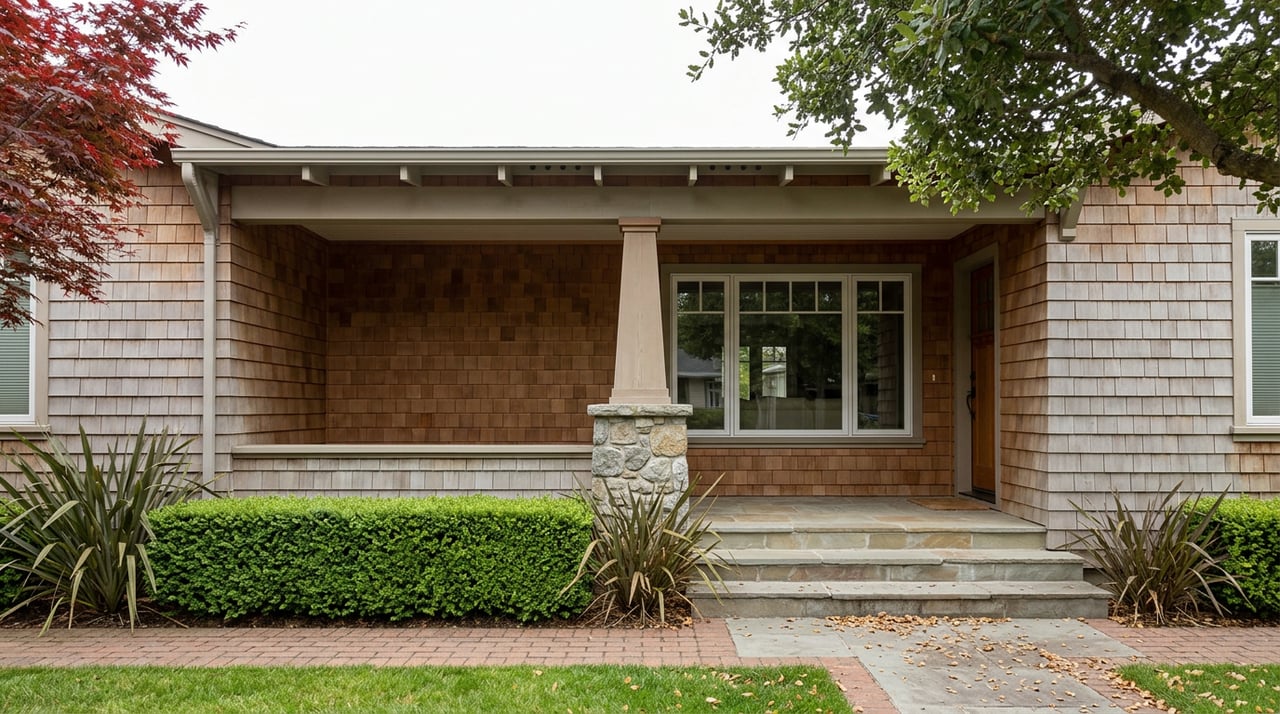
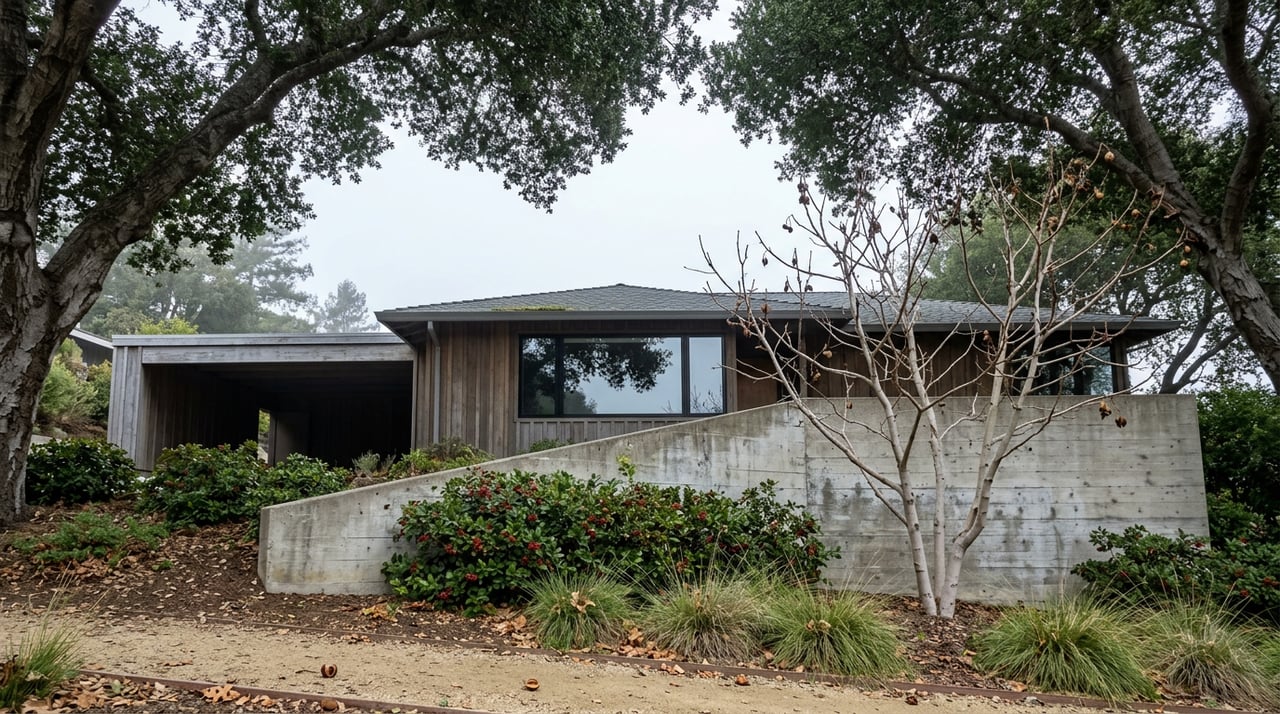
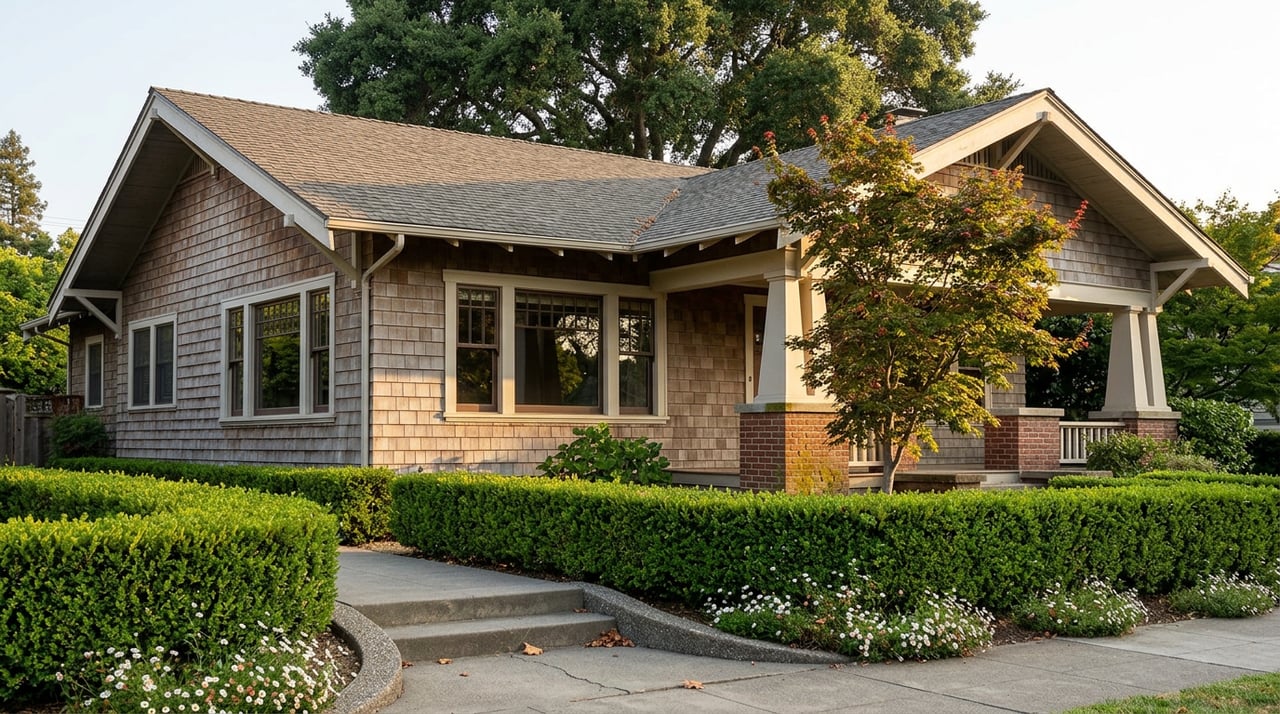
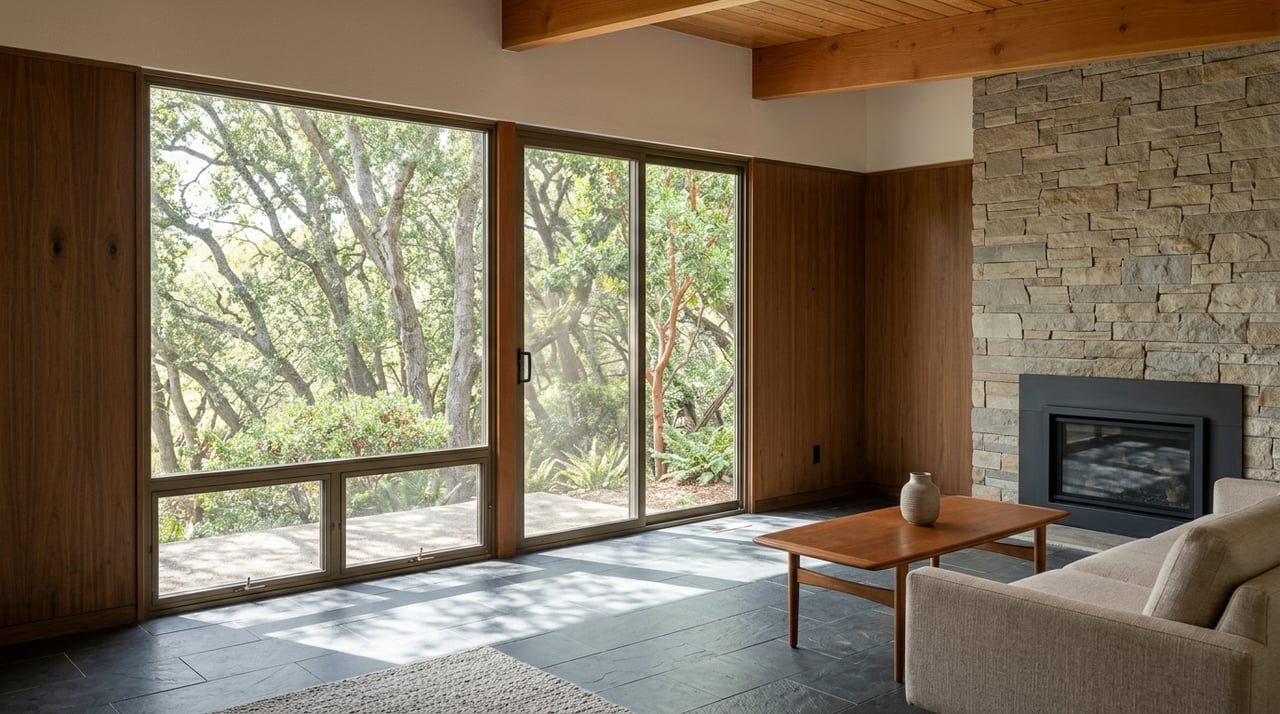
Montclair is eclectic. You'll see early 20th-century cottages in lower sections, mid-century ranch and split-level homes, and many mid-century modern or contemporary designs tucked into the slopes. Some ridge parcels host larger custom residences.
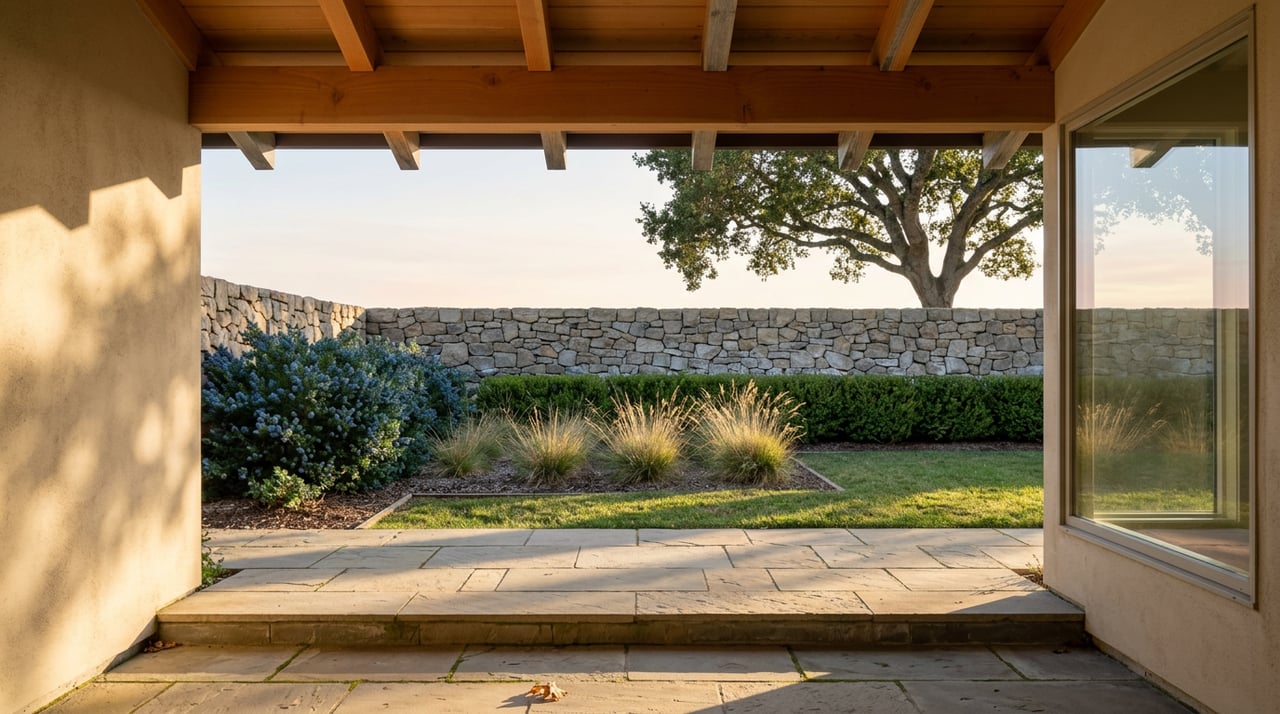
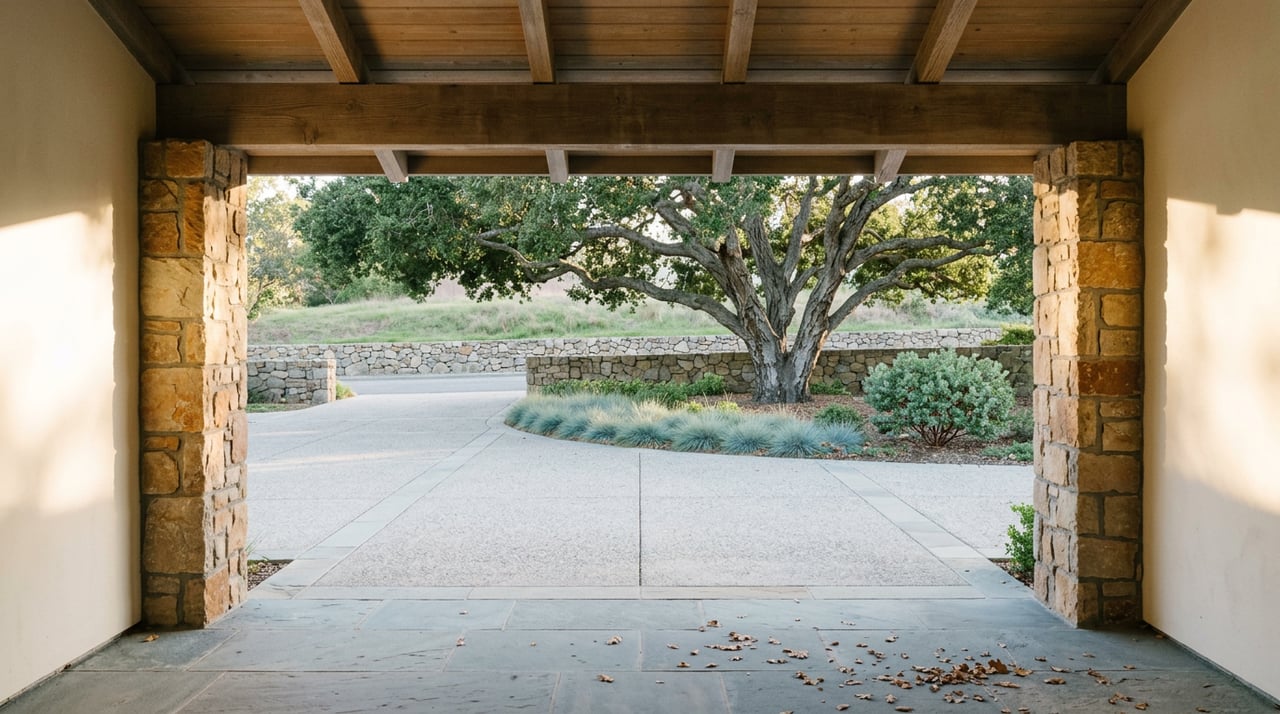
Lots are often sloped, stepped, or terraced with retaining walls and stair access. Streets can be narrow and curving, and driveways can be steep. Parcel sizes vary widely; many are in the small-to-medium range and shaped by the hillside, so expect irregular boundaries rather than perfect rectangles.
Views and microclimates add character and maintenance needs. Redwood groves feel cooler and shaded, while ridge lines can be sunny and wind exposed. Homes with big views often feature multiple decks and larger roof areas that need regular care.
Getting around
Most residents use BART for regional transit, with Rockridge or MacArthur as common station choices. You can view the full list of stations and plan a route on the BART station page. For local bus service, AC Transit's Line 18 connects the Glenview/Montclair area to downtown Oakland and Berkeley. By car, Highway 13 links to Highway 24 and the Caldecott Tunnel, as well as I-580 and I-80 for broader Bay Area access. Drive times vary significantly by time of day, so test your own commute windows.
The hillside tradeoff
Here is the simple way to think about it. You gain space, views, and serenity, plus quick access to big parks. You give up flatland convenience like short, level streets to transit, straight streets, and easy large-vehicle access. Narrow hillside roads can affect school runs, deliveries, and moving logistics. In heavy weather, expect more debris, slower service routing, and a premium on good stormwater management.
If you are weighing Montclair against a different kind of East Bay setting, our comparison of Castro Valley or Oakland Hills covers some of the same tradeoffs from a slightly different angle.
What to expect in escrow: hillside due diligence
Buying on a slope calls for a deeper inspection stack and early conversations with your lender and insurer. A standard home inspection is a must, but it often excludes soils, slope stability, and retaining wall engineering. Plan to add the specialists below when the site calls for it.
Inspections to plan for
- General home inspection. A thorough look at the roof, plumbing, electrical, and HVAC. Review any stated limitations, especially regarding foundations, drainage, and walls.
- Wood-destroying pest inspection. Termites and other pests are a routine California check.
- Geotechnical or site evaluation. Strongly consider this if you see notable slope, unusual grading, or major retaining walls. On steep or complex sites, lenders or the city may require formal soils or engineering reports.
- Structural or retaining wall review. Distinguish small garden walls from engineered systems that support a house pad or driveway. Proper drainage behind walls is a frequent failure point. For practical context on wall issues and maintenance, review this retaining wall discussion.
- Drainage and stormwater evaluation. Water is the most common driver of hillside problems. Walk the site to see where water flows in storms and whether it is carried safely away from the foundation. This hillside drainage guide offers helpful principles for managing runoff.
Permits and records to verify
Confirm permit history for prior slope work, retaining walls, decks, drainage, additions, and ADUs. The City of Oakland regulates grading and reviews geotechnical reports for certain projects in seismic hazard zones. For a sense of permit categories and fees, check the city's Master Fee Schedule. Ask sellers for any geotechnical or engineering reports on file and request as-built documentation for critical walls.
Hazard zones and insurance
A large portion of the Oakland hills is mapped by the state as a Very High Fire Hazard Severity Zone. Use the CAL FIRE viewer for Alameda County's maps: Fire Hazard Severity Zones. Oakland's Vegetation Management Unit runs defensible-space outreach and inspections; see the city's Local Hazard Mitigation Plan progress update for current programs. Ask your insurer early about wildfire and earthquake coverage requirements and any mitigation conditions. Need recommendations for agents? Reach out!
Cost of ownership: budget for the hills
Hillside homes reward care. A thoughtful maintenance plan protects your investment and reduces surprises.
- Drainage and gutters. Keep roof lines and downspouts clear and extend water well away from foundations. Regularly check surface swales and dissipaters after storms. Principles in this hillside drainage guide explain why runoff control is essential.
- Retaining walls. Expect monitoring, re-drainage, and repairs over time. Small fixes can be modest, while long or complex engineered walls can reach substantial five- to six-figure projects. See common wall issues in this retaining wall overview.
- Vegetation and defensible space. Maintain clear gutters, ember-resistant vents where applicable, and manage plants near structures per local guidance.
- Seismic retrofits. Basic bolting and bracing for typical single-family homes can be in the low-to-mid thousands, while hillside or tall cripple-wall conditions can extend into the mid-five or low-six figures. Use these as planning ranges and get local bids.
A simple upkeep schedule
- Annual: roof and gutter cleaning; inspect downspouts, splash blocks, and energy dissipaters; confirm weep holes behind walls are open; trim vegetation for defensible space.
- Every 5 to 10 years: selective retaining wall repairs or re-drainage; exterior paint or siding maintenance in shaded, damp exposures; deck and railing replacement as needed.
- As needed: engineered wall replacement, slope remediation, or complex foundation work. Expect permits and longer timelines.
For more general seasonal guidance, check out our post on fall maintenance for your East Bay home.
Daily life: small shifts that matter
Groceries, coffee, and children's activities cluster around Montclair Village, so short local trips remain simple. Larger grocery runs, school drop-offs, and appointments require a little more planning around narrow streets and peak-hour traffic. Package delivery and service calls may take an extra beat in bad weather, which is another reason to keep drains clear and slopes stable.
Local resources
- Neighborhood overview and amenities: Montclair Hills
- Regional transit planning: BART stations
- Local bus service: AC Transit Line 18
- Fire hazard mapping: CAL FIRE Fire Hazard Severity Zones
- City wildfire planning and defensible space programs: Oakland LHMP progress update
When you are ready to explore specific homes, a seriously local advisor can help you weigh site conditions, set up the right inspections, and negotiate with confidence. If you would like an experienced partner who knows Montclair block by block, connect with Red Oak Realty. You can also browse current Oakland listings to see what is available now.