Looking for a Berkeley neighborhood that feels quiet and residential but still keeps parks, bike routes, and daily errands close at hand? Westbrae stands out for exactly that balance. If you are exploring where to buy, sell, or simply get a better feel for North Berkeley, this guide will walk you through Westbrae's housing character, outdoor spaces, and everyday convenience. Let's dive in.
Where Westbrae Fits in Berkeley
Westbrae is a low-rise North Berkeley neighborhood centered around the Gilman Street corridor and nearby Santa Fe and Cedar routes. City materials reference Westbrae alongside the Gilman District, and Berkeley planning documents place it among neighborhoods that are predominantly low-density residential areas with R-1, R-2, and R-2A zoning. You can see that context in the City of Berkeley redistricting materials.
For you as a buyer or seller, that planning framework helps explain why Westbrae often feels compact, residential, and neighborhood-scaled. It is not a high-rise or major commercial district. Instead, the appeal comes from its mix of homes, green space, and practical access to nearby services.
Westbrae Homes and Street Character
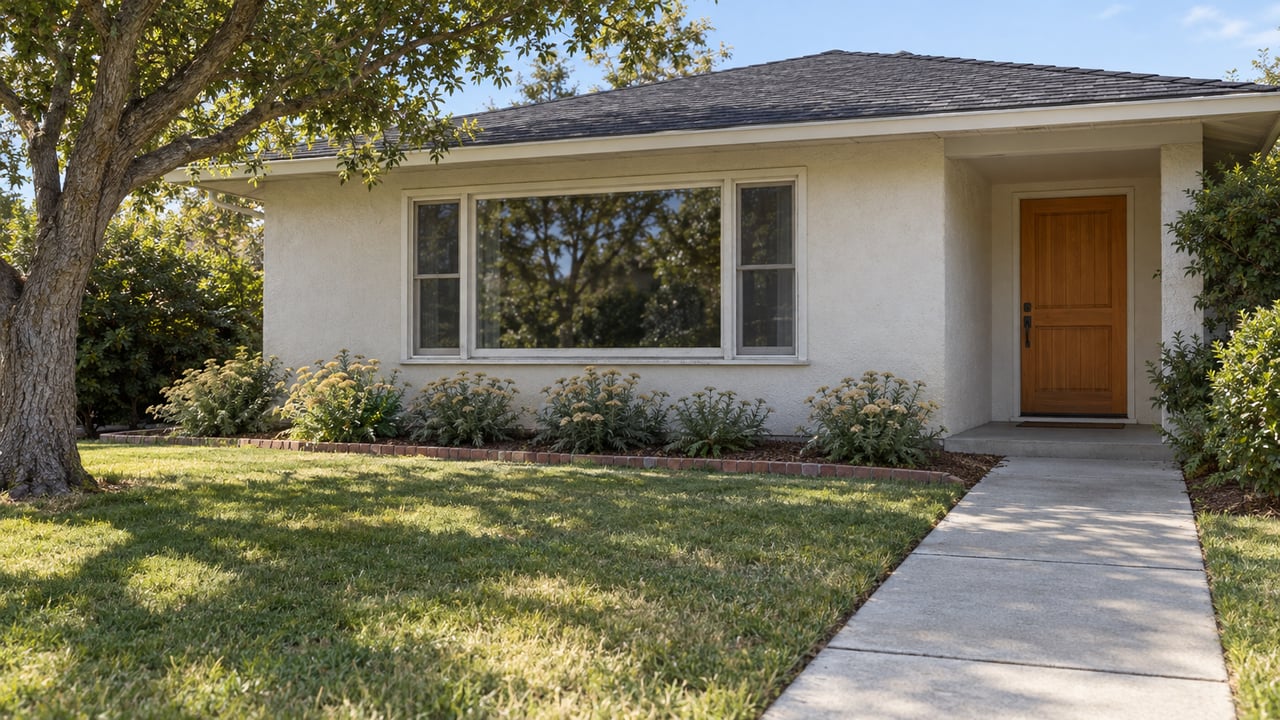
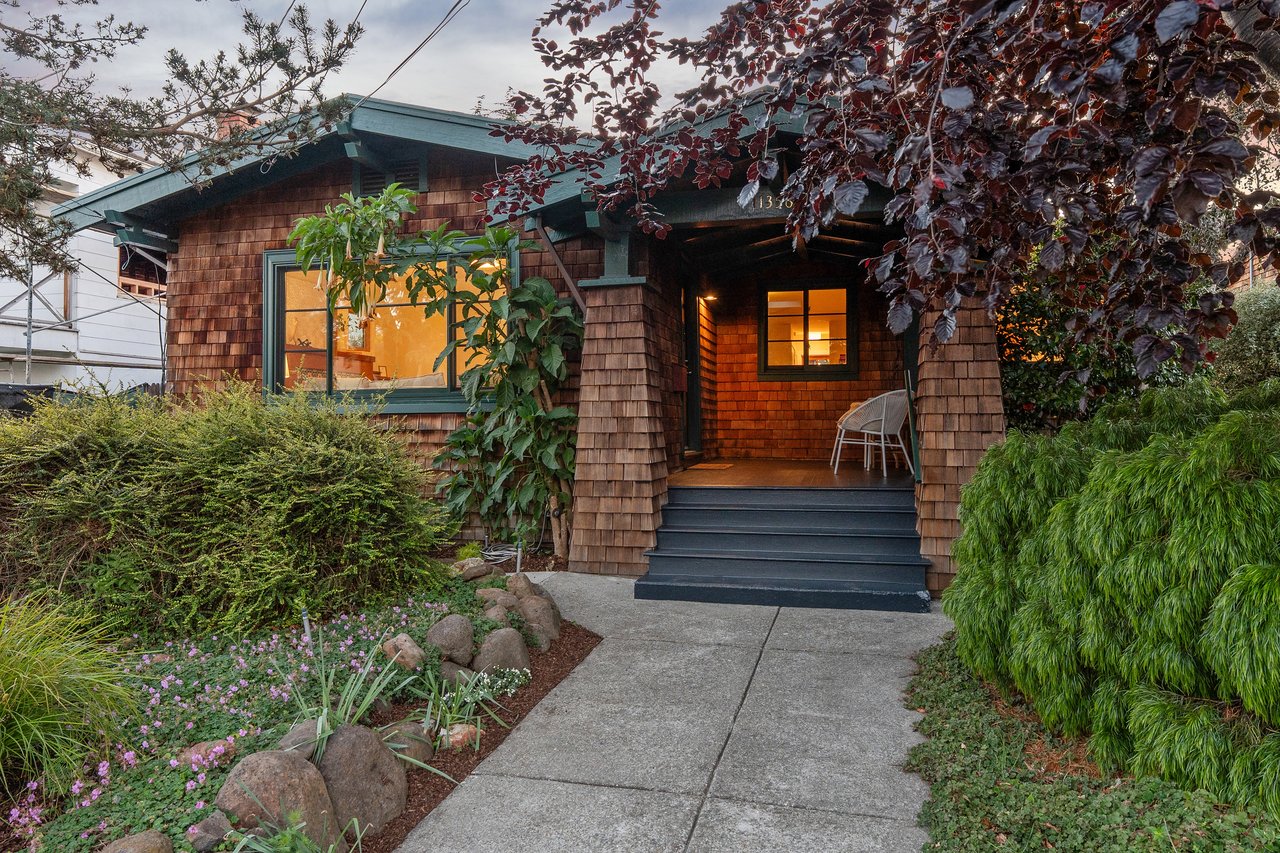
If the word "bungalows" comes to mind in Westbrae, there is good reason for it. City historic research on the broader North Berkeley area shows that residential development was already taking shape by 1911, had expanded substantially by 1929, and changed relatively little after World War II until BART construction affected nearby areas. That history appears in a Berkeley historic report for the North Berkeley BART area.
That said, it is best to think of Westbrae as having bungalow-era and Craftsman-era context, not as a neighborhood where every house fits one style. Berkeley housing materials support a broader description: predominantly single-family homes, with some potential for two-family or small multifamily properties based on zoning. The city's Housing Element Appendix E helps support that picture.
For buyers, that often means you may find:
- Small detached homes with early-20th-century roots
- Some duplex or two-unit possibilities
- Occasional later infill closer to corridors and transit edges
For sellers, this housing mix matters because buyers are often responding to both the home itself and the neighborhood setting around it. In Westbrae, that setting includes established streets, a lower-density feel, and strong access to outdoor amenities.
Parks Define Daily Life Here
One of Westbrae's biggest strengths is how easy it is to plug into outdoor space without leaving the neighborhood. Rather than relying on a single park, the area benefits from several linked public spaces that support walking, biking, play, and casual everyday use.
Cedar Rose Park
Cedar Rose Park is one of Westbrae's anchor amenities. The City of Berkeley describes it as a 4.94-acre North Berkeley park with a lawn, picnic area, restrooms, toddler and school-age play areas, an amphitheater or stage, and courts for basketball, pickleball, soccer, tennis, and volleyball.
That range of features gives the park broad day-to-day usefulness. Whether you want open space, a play stop, or a place to meet up outdoors, Cedar Rose plays an outsized role in how Westbrae feels.
Ohlone Greenway
The Ohlone Greenway is probably the neighborhood's most important open-space connection. According to the city, it runs 1.5 miles from Hearst Avenue and Martin Luther King Jr. Way to Santa Fe Avenue and includes tree-lined paths, landscaped gardens, community gardens between Hopkins Street and Santa Fe Avenue, and access to North Berkeley BART.
Westbrae is not just near a park, it is connected to a longer path system that supports doing errands without needing to drive for every trip.
West Street Pathway
Another useful nearby route is the West Street Pathway. Berkeley describes it as a flat, tree-lined 0.6-mile trail from Virginia Gardens to Allston Way that links Strawberry Creek Park, Berkeley Way Mini Park, Cedar Rose basketball courts, and the Ohlone Greenway.
Again, this matters because Westbrae's outdoor appeal is not only about destination parks, it's also about how these spaces connect, creating a practical network of neighborhood movement.
Ohlone Park Nearby
Just beyond Westbrae, Ohlone Park is another helpful point of reference. The city describes it as a five-block park with playgrounds, sports courts, a community garden, an off-leash dog area, and access to North Berkeley BART.
If you are comparing neighborhoods, this wider pattern is worth noticing. Westbrae benefits from not just one amenity, but a broader North Berkeley system of paths, parks, and gardens. That connectivity is also getting public investment. Berkeley's Ohlone Greenway Safety Improvements Project covers the stretch from Virginia Gardens to Santa Fe Avenue, including intersections at Cedar, Rose, Hopkins, Peralta, Gilman, and Santa Fe. The city says the project goals include improving safety, adding lighting, and widening the route for bikers and pedestrians alike.
For buyers, infrastructure like this can shape how a neighborhood functions over time. For sellers, it is part of the practical story of Westbrae: the area offers established residential character plus documented public attention to community access and safety.
Gilman Street Everyday Convenience
Westbrae is not defined by major retail, and that is part of the point. The nearby Gilman District describes itself as a "hidden treasure" with local breweries, organic wineries, food, live music, shopping, and arts. In practical terms, that supports viewing Gilman as a local-serving commercial corridor rather than a large regional shopping destination.
That smaller-scale commercial character often fits well with the surrounding residential blocks. You can handle everyday stops and still come back to a neighborhood that feels primarily residential.
A couple of long-running businesses help illustrate that everyday identity. Westbrae Nursery says it has served North Berkeley and Albany since the 1930s, and Berkeley Natural Grocery notes that its Berkeley store on Gilman opened in 1981 and has long served neighbors in the Westbrae district.
For someone considering a move, that history says something important. Westbrae's appeal is less about a flashy destination scene and more about useful, established places woven into daily routines.
Why Buyers Notice Westbrae
If you are buying in Berkeley, Westbrae may stand out for a few simple reasons:
- A predominantly residential setting in North Berkeley
- Early-20th-century housing character and smaller homes
- Direct access to parks, paths, and community garden areas
- Connectivity to North Berkeley BART via the greenway system
- A practical commercial corridor along Gilman Street
In other words, Westbrae offers a neighborhood experience that feels grounded and usable. It combines home-scale streets with public spaces and mobility links that many buyers actively look for.
What Sellers Should Understand
If you own a home in Westbrae, your property is part of a neighborhood story that buyers can quickly understand. The draw is not just square footage or finish level. It is also the combination of low-density residential character, established housing stock, and strong park-and-path access.
That means marketing strategy should highlight the specific ways a home connects to daily life in the neighborhood. Proximity to Cedar Rose Park, the Ohlone Greenway, Gilman conveniences, and transit access can all help frame value in a way that feels concrete and local. For tips on presenting your home at its best, read about staging trends that help sell a home.
At Red Oak Realty, we believe neighborhood guidance works best when it is truly block-by-block and grounded in how people actually live. Whether you are planning a move, preparing to sell, or trying to understand where Westbrae fits in the Berkeley market, working with a seriously local team can help you make a more confident decision.