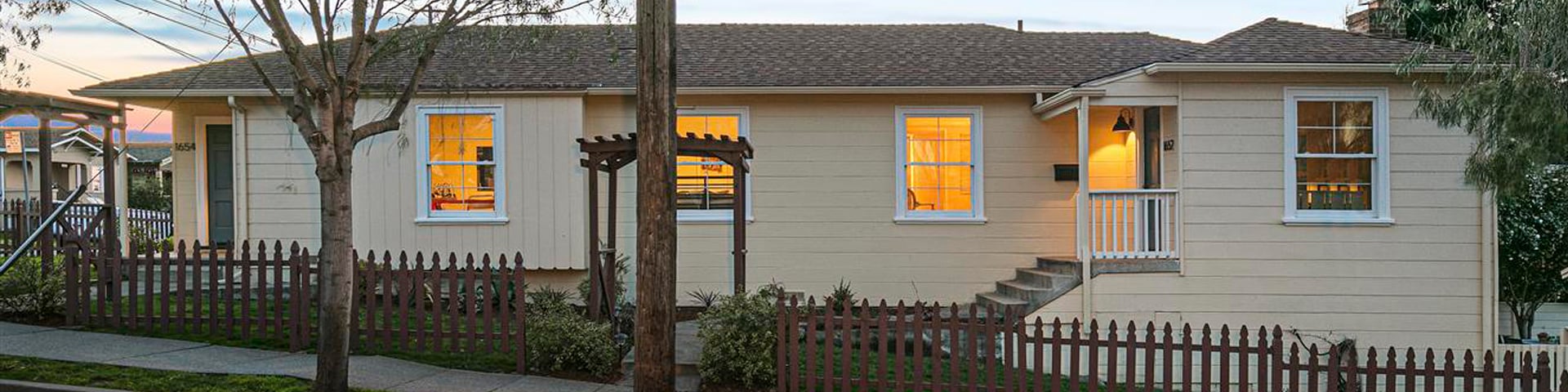
Thinking about purchasing an income property for the extra cash flow? This is the common goal of most residential investors, whether purchasing a multi-unit property to both live in and rent out, or simply manage.
A residential investment property is considered anything from a single family home to a fourplex (4 unit property) - anything larger is considered commercial property. And while not all properties produce a positive cash flow at first, this type of investment is typically considered a long-term one.
Vacancy
So, what should you consider when looking at an investment property? Red Oak agent and property owner Jeff Rosenbloom says, “The first thing I look at is whether there are any vacant units.” Vacant properties are best, but if you do acquire existing tenants, it’s important to consult with an attorney who is familiar with tenant laws in the city where the property is located.
Finances
Rent control, property taxes, depreciation and expenses are just a few of the many factors you’ll need to look at closely. Will you owner occupy or rent out the entire property? Your taxes may vary depending on this decision. Will you finance or pay cash? Consider your cash flow goals and expected annual return. You’ll want to factor in estimated maintenance costs, insurance, pest control, landscaping and any additional fees as well as taxes. And it’s always a good idea to put something aside for emergencies - some recommend up to 30% of rental income.
Capitalization Rate
Most people look at the capitalization (“cap”) rate when considering an income property. The cap rate is one way to measure the risk; it’s the ratio of net operating income to a property’s asset value. For example, if a property recently sold for $1M and had a net operating income of $100,000, then the cap rate would be 10%. Cap rates will vary depending on the area, average rents, condition of the property and more. It’s a good “back of the envelope” glance at a property’s valuation, but you’ll likely want to dive deeper. If a property’s net operating income fluctuates, for example, a more complex discounted cash flow analysis would give greater insight.
It may also be a good idea to review “comps,” or similar sales in the area, to see what historical cap rates have been and whether there are trends. In general, anywhere from 4% to 12% is considered a good cap rate, but this can be highly subjective and depends again on the area. Veteran property investor, and one of Red Oak’s founders, Patrick Leaper, has a great deal of experience when it comes to investment properties. “You won’t see cap rates at 10% in Berkeley. They typically range from 3% to 5%, and even then, some properties are selling around a 2% rate. You have to be careful to consider all of the expenses. Cities like El Cerrito, that don’t have rent control, have a stronger market for these properties.”
Location, Location, Location!
It’s important to research the rental market where the property is located. For example, due to the large amount of student housing in Berkeley, and the current COVID situation, rents for one bedrooms have recently dropped 22%. Even temporary shifts in the market will impact your bottom line, so be sure to work closely with a tax accountant, lender and attorney who are all familiar with the nuances of investment properties.
“There will always be a demand for housing,” according to Patrick. With the potential for COVID to impact the economy and a likely 2 to 3-year recovery period, this may turn out to be a great time to buy, especially in areas like Oakland and Berkeley. Patrick agrees with Jeff: “Much of it depends on vacancies and whether you can pay a tenant to move.”
Being a landlord requires you to know the basics of tenant laws in both your state and your local area. Knowing your tenants’ rights may help prevent any legal hassles down the road. You’ll likely be required to have a business license as well as register with the local rental board. You may also need to learn how to fix a leaky faucet, among other things. Be sure to consider the impact on your lifestyle when purchasing an income property, not just the financial commitment of the venture. Sometimes being a landlord requires you to make difficult, uncomfortable decisions. If done well, real estate can be one of the most rewarding and lucrative investments a person can make.
*Note: New rules have gone into effect during the COVID pandemic, so be sure to check into new financing qualifications. We recommend working closely with both a lender and an attorney who are familiar with any new rules and regulations.