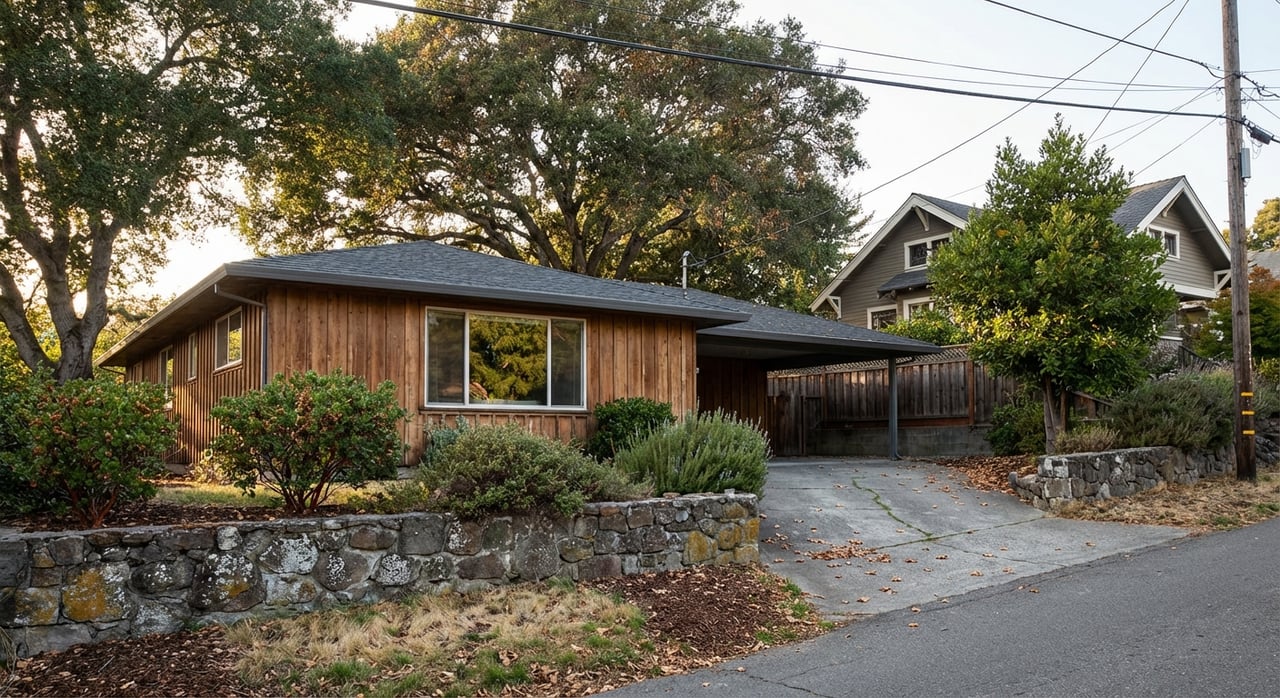

As housing inventory continues to be too low to meet buyer demand, buyers may be looking at options they might not have traditionally considered. For example, in a more balanced market, most buyers shy away from a probate sale due to its complexities, uncertainty, and lengthy timeline, but given the lack of current options, some might be willing to consider a probate situation if a property catches their eye. A probate sale occurs when a homeowner passes away without having created a will or designating an heir for their property. The probate process is court-supervised and is often a long and complicated process, especially for any loved ones of the deceased.
How does a probate sale work? Generally, the court will appoint the decedent’s closest living relative as Executor who then manages the sale of the property much like a typical sale, however, the sale must ultimately go through a confirmation hearing and be approved by the court. A lot can happen between an originally accepted offer and the final sale.
Like most home sales, the Executor will work with a real estate agent to market the home and potential buyers can then submit offers, but buyers are required to submit at least ten percent down in order to have their offer accepted. Things can get risky for the buyer, however, because once their offer is accepted, the court then sets a date to host an auction and open up bidding to any other interested parties. This process can take anywhere from three to twelve months given that the entire process is overseen by the courts.
If no one else bids on the property, the initial buyer typically secures the home. However, if other interested parties appear on the court date, they can then bid past the accepted offer amount which is used as the starting price for the auction. This is where things can get interesting if there are multiple interested parties. The judge will act as auctioneer, often offering bids in increments of anywhere from $5,000 to $20,000 to the bidding parties. The winning bidder must come prepared to pay ten percent of the agreed upon sales price on the spot (generally with a cashier’s check or the like) in order to secure the property (the previously accepted offer has their deposit returned if they are not the winning bidder).
Ultimately the goal of the court is to obtain the best possible sale price for the Estate. An auction confirms that the property has been marketed fairly and that all parties have been given the option to submit the highest possible price for the home. Once a contract is signed, closing is typically set at around two weeks, with no contingencies. Probate sales are “as-is” so it’s in the best interest of any buyers to do their homework and conduct an inspection during the marketing process.
Why consider a probate sale? Often homes sold in probate are sold at a reduced price because they are sold “as-is” with less competition. The process is often too daunting for most home buyers, but probate properties are also known to attract investors due to their undervalued nature. Buyers are smart to be cautious taking on greater risk by purchasing a property “as is”, while also needing to be prepared for the long transaction time and the understanding that another buyer could show up in court and outbid them. However, ‘diamonds in the rough’ do exist and can be won at an undervalued price if a buyer has the patience and the drive.
Considering the purchase of a probate property? Be sure to have professional guidance along the way. Reach out to us to learn more.
Image by mohamed Hassan from Pixabay