Buying your first home can feel exciting right up until you start comparing prices, reading disclosures, and wondering how fast you need to move. If you are looking at San Lorenzo Village, you are stepping into a distinct East Bay neighborhood with older homes, a strong planned-community identity, and a market that can move quickly. This guide will help you understand what to expect, what to watch closely, and how to buy with more confidence. Let’s dive in.
Why San Lorenzo Village Stands Out
San Lorenzo Village is part of unincorporated Alameda County, and that matters more than many first-time buyers expect. County agencies provide certain public services, including maintenance of public streets, but the neighborhood also has an active homeowners association that affects many property-level decisions.
The village began as a postwar planned community, with roughly 5,500 to 5,800 homes built alongside parks, stores, a community center, and other everyday amenities. That original planning still shapes the area today, including its recognizable street layout and many streets with the “Via” naming pattern.
For you as a buyer, the biggest takeaway is simple: this is not mainly a new-construction market. San Lorenzo Village is better understood as an older starter-home neighborhood where you may be weighing original condition, past updates, and future renovation potential all at once.
What First-Time Buyers Can Expect
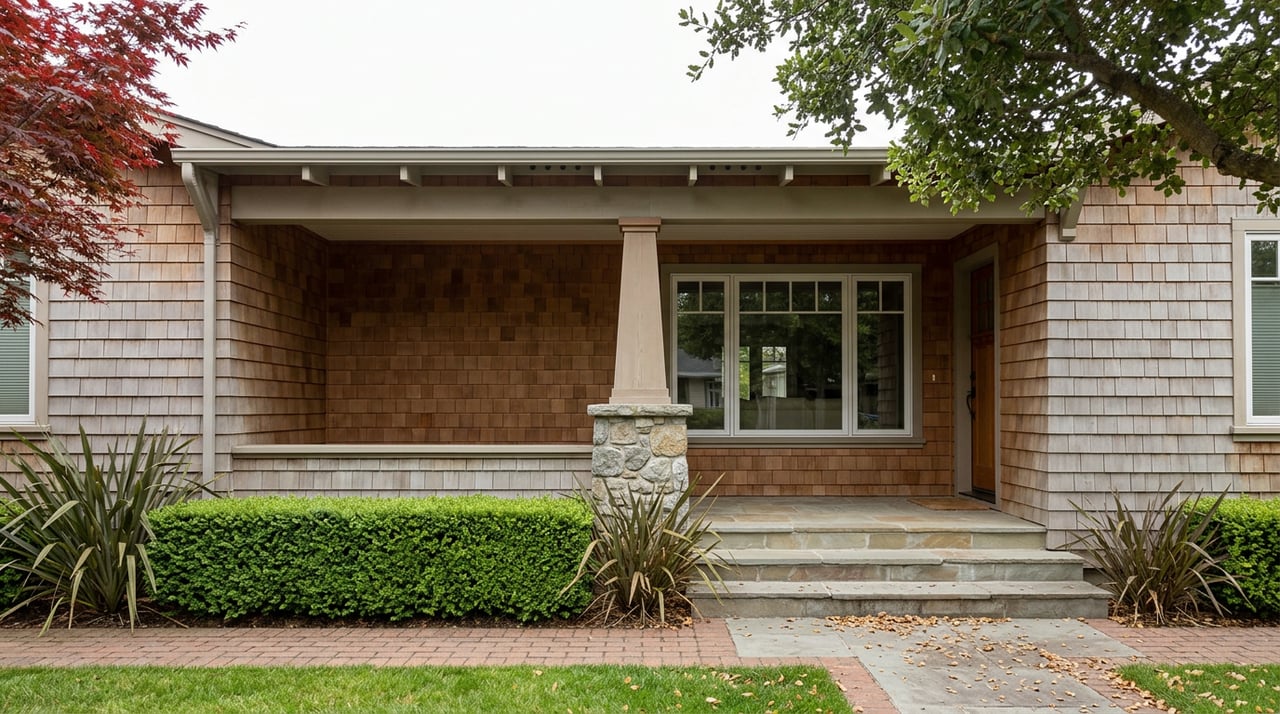
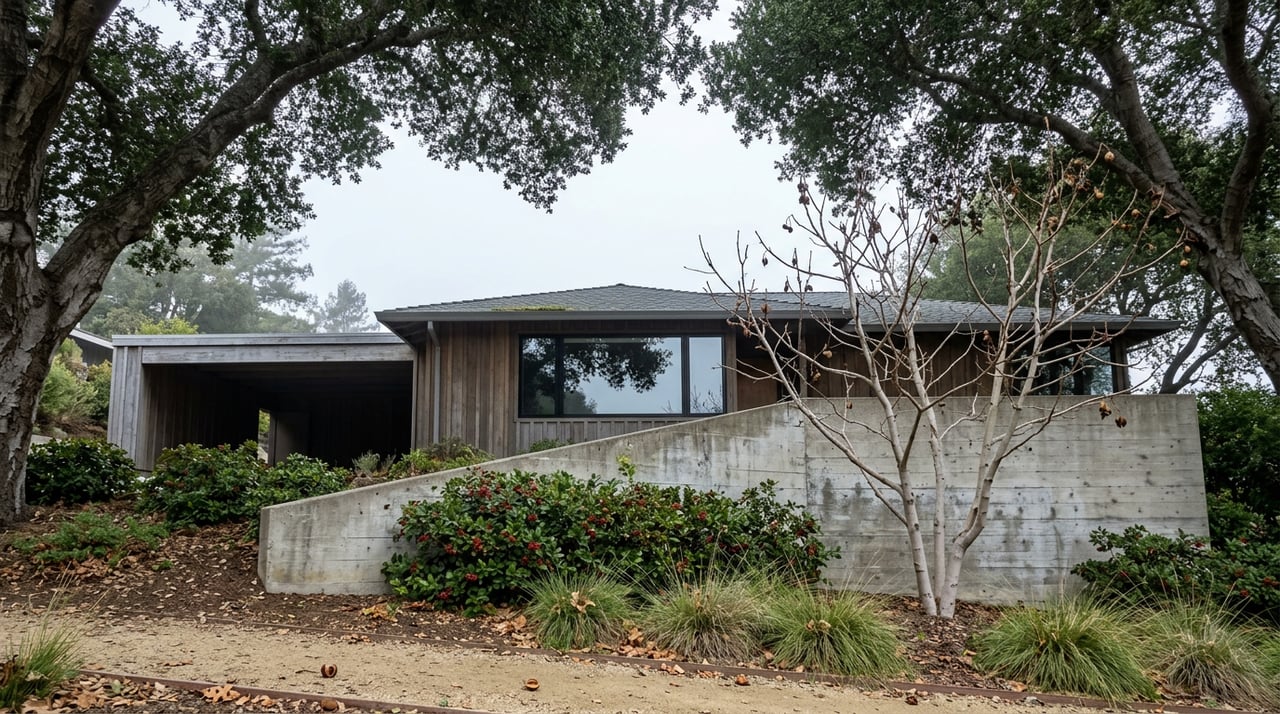
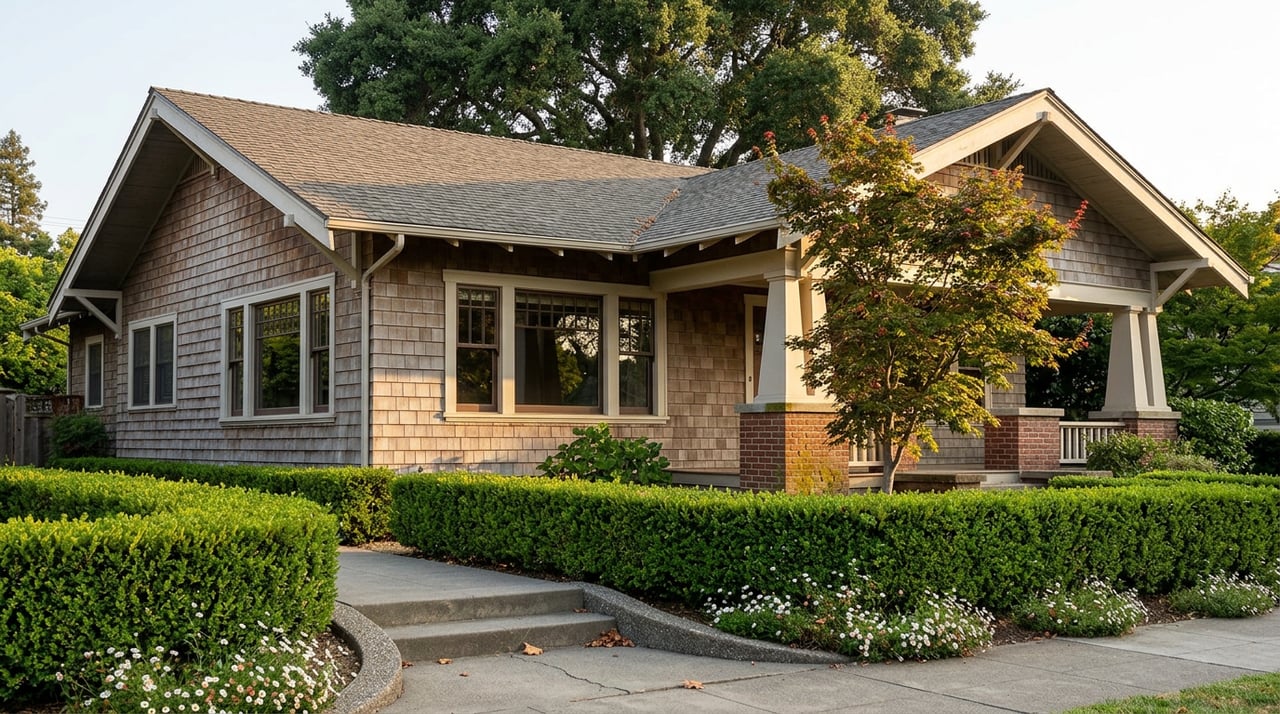
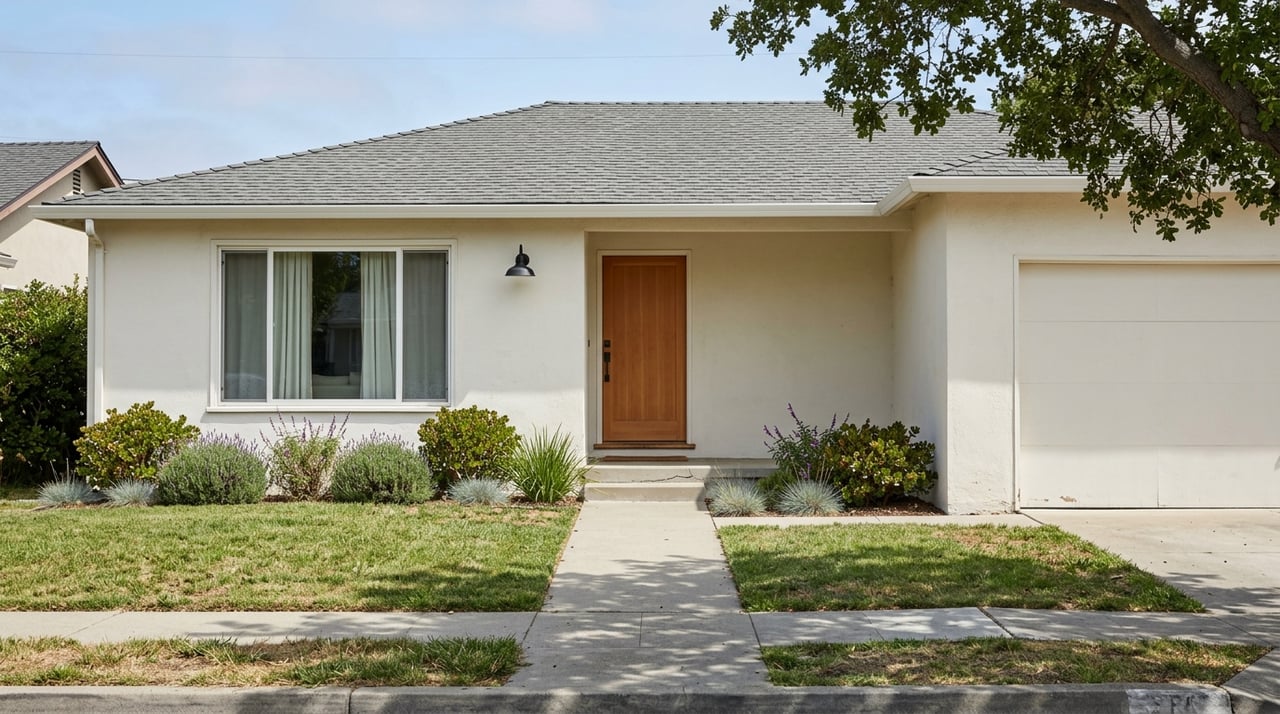
Most of the original homes in San Lorenzo Village were modest, detached single-story houses. Early homes were often three-bedroom layouts of just under 1,000 square feet, and later phases continued the postwar tract-home style with small Ranch-type designs.
That older housing stock can be appealing if you want a single-family home with a yard and a practical layout. It can also mean you need to look more carefully at systems, repairs, and whether visible changes were properly approved.
As you tour homes, try to balance charm with function. A nicely updated kitchen matters, but so do the roof, drainage, windows, parking setup, and the condition of any additions or conversions.
San Lorenzo Village Home Prices
Recent 2026 market snapshots place San Lorenzo roughly in the high $700,000s to mid $800,000s. Reported figures include a median list price around $799,000 and a recent three-month median sale price around $826,000, with sale prices per square foot reported in the low $600s.
That gives you a realistic starting point for your search. If you are buying your first home, it helps to frame these numbers as a monthly payment question, not just a sticker-price question.
The market also appears competitive, but not impossible. Recent data showed homes averaging about six offers and around 13 days on market, which suggests you should be prepared to act quickly on well-priced homes without losing sight of your budget.
Set Your Budget Before You Tour
In a market like this, your offer strategy starts before the first showing. California’s Department of Real Estate notes that buyers commonly need about 5% to 20% down, plus roughly 3% to 7% for closing costs.
If you are a first-time buyer, assistance may be available through CalHFA for eligible borrowers, including options tied to down payment or closing costs. The practical point is that your cash needs may be bigger than the down payment alone, so it is smart to plan for the full picture early.
A strong preapproval can help you compete, but it should not become permission to overspend. In San Lorenzo Village, the safer move is often to set a firm monthly payment ceiling and build your search around that number.
Understand the HOA Before You Commit
One of the biggest local details in San Lorenzo Village is the San Lorenzo Village Homes Association, often called SLVHA. Its governing documents transfer with the property, and the association says those rules can be enforced with monetary penalties.
Annual assessments are due on January 1, with late charges after February 1. That means HOA costs are not an abstract detail. They are part of your ongoing ownership expenses and should be reviewed just as carefully as taxes and insurance.
This is where first-time buyers need to slow down and read closely. In San Lorenzo Village, you are not just buying a house. You are also stepping into a community with established rules that may affect how you use and update the property.
Why the Resale Packet Matters
Treat the HOA resale packet as essential reading, not paperwork to skim at the last minute. It can help you understand assessments, restrictions, and whether prior changes to the property may raise questions.
This matters even more if the home has visible exterior work, a garage conversion, added fencing, or an addition. Before you remove contingencies, you want a clear picture of what was approved, what may still need review, and what obligations transfer to you as the next owner.
Exterior Changes Need Approval
SLVHA requires written approval before many exterior changes begin. That can include exterior alterations, front-yard hardscape or landscape work, fences, walls, and similar projects.
For second-story additions, the process is more layered. Alameda County planning review comes first, followed by the association’s process, which includes a processing fee, neighbor notice, and a written decision within 30 days of a complete application.
If you are buying a home because you plan to remodel right away, this should be part of your early due diligence. A home that looks like a great project on paper may come with design-review steps you need to understand first.
Tour Homes With Older-House Eyes
In San Lorenzo Village, efficient touring means looking beyond staging and finishes. Because many homes date to the mid-century era, your walkthrough should focus on the features that most affect cost, comfort, and future flexibility.
Pay close attention to:
- Roof condition
- Drainage and site water flow
- Window condition and age
- Garage and parking function
- Visible additions or conversions
- Exterior work that may trigger HOA or permit questions
California’s Department of Real Estate notes that sellers and agents provide required disclosures, and agents visually inspect for readily observable issues. But your own inspection remains critical because many important problems are not obvious during a short showing.
Think About the Commute Before You Offer
San Lorenzo Village offers several commute options, and your day-to-day routine should be part of your decision. For many buyers, Bay Fair and San Leandro are the closest BART stations, and AC Transit Route 93 connects Bay Fair BART, San Lorenzo, and Castro Valley BART.
The village center also sits along Hesperian Boulevard near the I-880 overcrossing, so driving access can shape the living experience. A home that looks perfect on a weekend afternoon may feel different during your weekday routine.
Try to visit at the same time of day you expect to live there. If possible, tour during a weekday commute window and pay attention to parking patterns, traffic flow, and how the block feels in real-life conditions.
Check Street Sweeping Schedules
This is a small detail that can have a big impact. SLVHA provides street sweeping service, and parking patterns can change on scheduled sweeping days.
If street parking matters to your household, try to visit on one of those days or ask questions during escrow. It is a practical way to test how daily logistics may work once you move in.
Know the Contract Terms in Plain English
First-time buyers often hear contract terms long before they fully understand them. In a competitive market, it helps to know what these terms really mean before you are under pressure to sign.
Financing Contingency
A financing contingency means your offer depends on actually getting the loan. In a typical California contract, the buyer usually has about 7 days to complete the loan application and verify funds, while the financing contingency often relates to a 17-day investigation window.
For you, this contingency can provide protection if the loan does not come through. It is one of the key guardrails that can keep a purchase from becoming financially risky.
Inspection and Investigation Contingency
The inspection or investigation contingency gives you time to inspect the property and review what you are buying. California guidance commonly points to about 17 days for this period, during which you can investigate condition, review disclosures, and negotiate or cancel if serious issues come up.
In an older neighborhood like San Lorenzo Village, this window matters. Homes may have decades of repairs, updates, and wear that deserve careful review.
Earnest Money
Earnest money is a good-faith deposit that shows you are serious about the purchase. If the sale closes, that money may be applied to closing costs or your down payment.
If you do not perform in good faith under the contract, you may risk losing it. That is why your contingencies, timeline, and financing plan should all be realistic before you submit an offer.
Escrow, Title, and Final Walk-Through
Escrow is the neutral third party that helps make sure the contract terms are completed. Title insurance protects against unknown title defects, and buyers can negotiate which escrow and title company is used.
Sellers typically have 7 days to provide required disclosures. Buyers usually get a final verification of condition within 5 days of closing, and closing prorations commonly include property taxes and HOA assessments.
Be Ready for Older-Home Paperwork
Because San Lorenzo Village is made up largely of mid-century housing, you should expect the usual disclosure package to include lead-based-paint-related forms. That does not automatically mean a home has a major issue, but it does mean you should read older-home disclosures carefully and ask questions when something is unclear.
This is another reason not to rush through paperwork just to stay competitive. In a neighborhood with older homes, clear documentation is part of buying wisely.
A Smart First-Home Strategy for San Lorenzo Village
If you are buying your first home in San Lorenzo Village, the strongest approach is usually a balanced one. Get fully preapproved, know your monthly comfort zone, move quickly when a good fit appears, and stay disciplined about inspections, disclosures, and HOA review.
This neighborhood can be a very practical place to start homeownership in the East Bay, especially if you appreciate established housing stock and a community with a long identity. The key is understanding that the right purchase here is not just about price. It is about condition, rules, commute, and long-term fit.
When you have local guidance, those moving parts become much easier to manage. If you are thinking about your first purchase in San Lorenzo Village, Red Oak Realty can help you navigate the details with seriously local advice and steady support.
FAQs
What kind of homes are common in San Lorenzo Village for first-time buyers?
- San Lorenzo Village is known for modest detached postwar homes, many of them single-story layouts with older tract-home characteristics rather than new-construction designs.
How competitive is the San Lorenzo Village housing market?
- Recent 2026 snapshots suggest a competitive market, with about six offers on average and homes selling in around 13 days, so it helps to be prepared before you start making offers.
Does San Lorenzo Village have an HOA that affects homeownership?
- Yes. The San Lorenzo Village Homes Association has governing documents that transfer with the property, annual assessments, and rules that can affect exterior changes and other ownership decisions.
What should buyers review in the San Lorenzo Village HOA documents?
- Buyers should closely review the resale packet for assessments, architectural restrictions, past approvals, and any property-specific issues that could matter before contingencies are removed.
What should first-time buyers inspect in older San Lorenzo Village homes?
- Focus on roof condition, drainage, windows, garage and parking function, visible additions or conversions, and any exterior work that could raise HOA or permit questions.
How can buyers plan for a San Lorenzo Village commute?
- Many buyers consider access to Bay Fair BART, San Leandro BART, AC Transit Route 93, Hesperian Boulevard, and I-880, so it is smart to visit homes during the times of day you expect to travel.
What contract terms matter most when buying a first home in San Lorenzo Village?
- Financing, inspection or investigation contingencies, earnest money, escrow, title insurance, disclosures, and the final walk-through are all important terms to understand before making an offer.
Are older-home disclosures important in San Lorenzo Village purchases?
- Yes. Because much of the neighborhood housing dates to the mid-century period, buyers should expect older-home paperwork, including lead-based-paint-related forms, as part of the standard disclosure process.