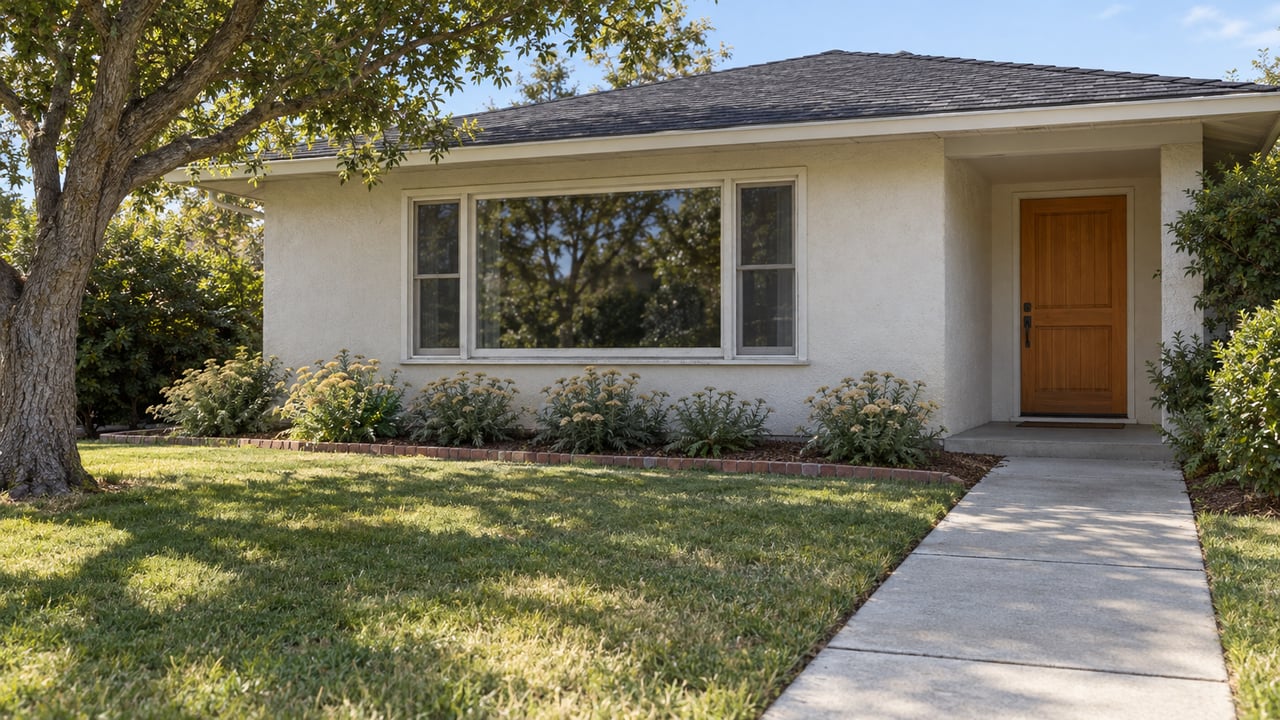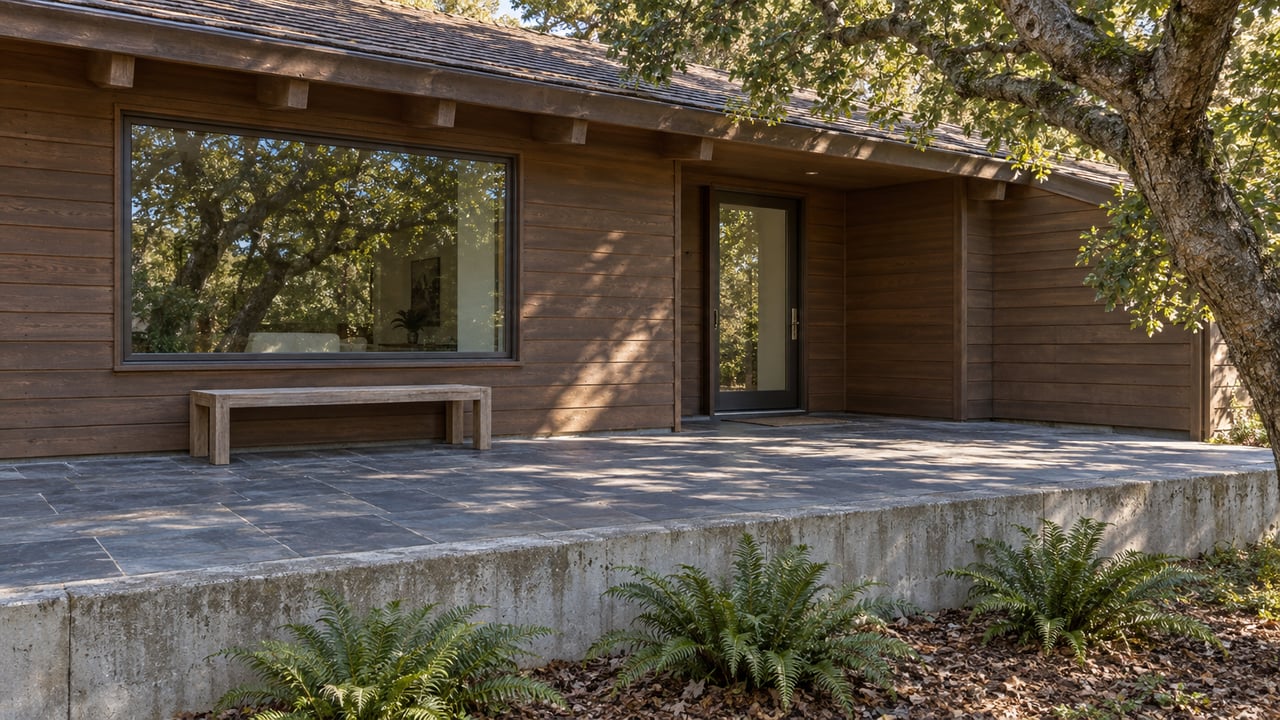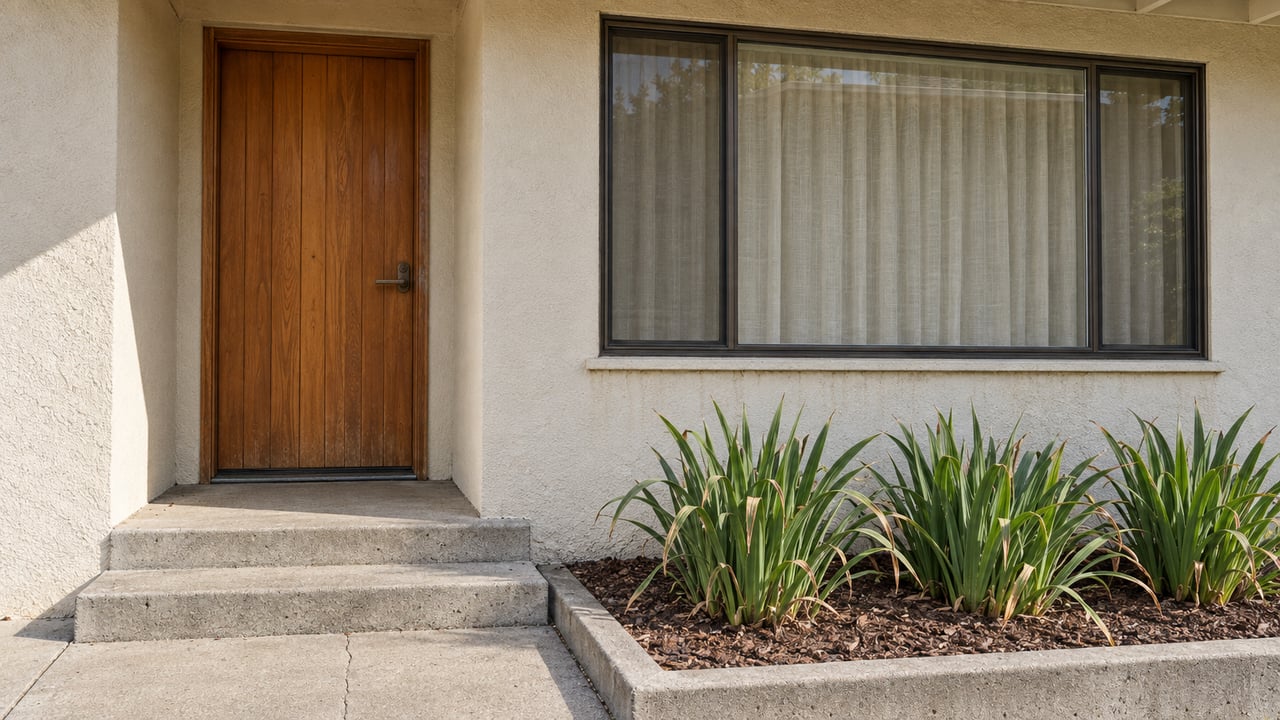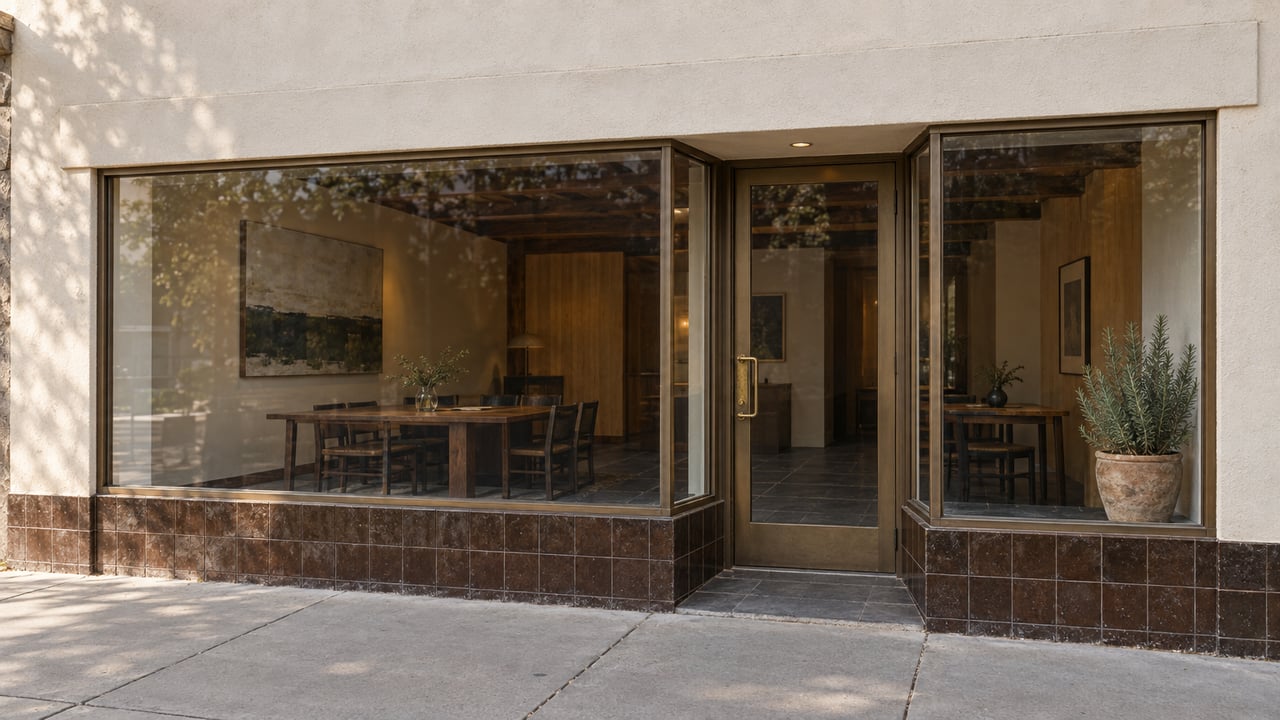
On the first and fourth Thursday of nearly every month, a stretch of Belvedere Street fills with people standing on the sidewalk in front of an ordinary house, waiting for a garage door to open. There's no sign. There's no register. There's a woman named Rachel Caygill, who has been up since 1 a.m., and a line of neighbors and strangers holding their phones open to order confirmations for a bakery that has never had a storefront.
That's Green House Bakery, and if you live in Maxwell Park you already know the drill. What's easy to miss, even after you've stood in that line a dozen times, is what it says about the neighborhood you're standing in. Maxwell Park never built the kind of commercial strip that gives other East Bay neighborhoods their center of gravity. No stretch of storefronts, no anchor cafe row, no walkable retail block. So when the neighborhood needed a place where people actually run into each other, one of its own homes became it, licensed under a state cottage food permit instead of a commercial lease.
The Bakery That Skipped the Storefront
Caygill started Green House Bakery out of her kitchen in 2018, baking under California's cottage food law, which lets home cooks sell directly to the public without a commercial kitchen or a storefront permit. She has since moved the operation into her basement and added part-time help, but the business model hasn't changed: no regular hours, no walk-in sales, just a recurring calendar. Pastry boxes go up for pre-order on the first and fourth Thursday of the month, picked up within a set window at her door. On the second Saturday, it's first come, first served, which is where the real lines form.
Oaklandside's 2024 profile of Caygill describes people waiting more than two hours for a pastry box, and an Instagram following that has climbed past 22,000. That is not a neighborhood secret anymore. It's a Bay Area destination that happens to be routed through a residential street with no parking lot and no awning.
Compare that to how other East Bay neighborhoods organize their food scenes. Piedmont Avenue has its own row of shops built for foot traffic. Rockridge has College Avenue. Grand Lake has its farmers market and a movie palace anchoring both ends of the strip. Maxwell Park has none of that infrastructure, and its most talked-about food business is still, functionally, someone's house. The cottage food permit did what a commercial lease usually does: it turned a private address into public infrastructure, just without the buildout.
If you want in on the schedule, Green House Bakery's own site posts the current bake dates and pre-order windows, which shift slightly month to month based on Caygill's availability.
Where the Line Walks It Off
Once the boxes are in hand, the crowd doesn't linger on Belvedere. Most of it drifts toward Brookdale Park on High Street, a 4.9-acre patch of green that's been part of the neighborhood since 1922, more than a century now. It's not a showpiece. One local parks guide describes it plainly as a place where "some areas could use a little TLC," and that's about right. It's a baseball diamond, a couple of basketball courts that rarely get crowded, a playground, and a shaded trail that climbs to a grassy hilltop where you can catch your breath away from the street below.
What Brookdale actually does well is host the kind of gathering that doesn't need a polished setting. The park has a history of Caribbean festivals filling its open field, and it's dog-friendly enough that a pastry-box walk and a leash walk end up on the same loop most weekend mornings. Nobody's marketing this park as a destination. It functions the way a lot of Maxwell Park functions: quietly useful, unglamorous, and exactly enough.
October Belongs to the Block Next Door
Every fall, the neighboring pocket of Millsmont turns Ticardy Street into what's become known around Oakland as its Halloween Street, a full-block display that pulls trick-or-treaters and gawkers in from well beyond the immediate area. Maxwell Park residents don't have to go far to be part of it. It's a short walk east, not a drive, and it's become enough of a fixture that families plan their October evenings around it the same way they plan their Thursdays around the bakery line.
It's another example of the same pattern showing up again. Maxwell Park doesn't generate its own big seasonal spectacle. It borrows one from next door, on foot, and treats it as part of its own calendar anyway.
What the Pattern Adds Up To
These three things—a basement bakery, an unpolished park, and a Halloween street one neighborhood over—wouldn't show up on a list of Maxwell Park amenities compiled from a database. They're not zoned attractions or funded programs. They're what happens when a residential neighborhood without a commercial spine still needs places to gather, walk, and mark the calendar, and builds them out of what's already there: a home kitchen, a modest city park, and a neighbor's block.
That's the actual shape of daily life here. Not a main street you'd photograph for a real estate listing, but a set of informal systems residents have quietly assembled and kept running for years, the kind of texture you only notice once you've lived inside it long enough to stand in that Thursday morning line more than once.
If you're the kind of person who already knows which Thursday the pastry boxes drop, you understand Maxwell Park better than most market reports ever will. Red Oak Realty spends its time in neighborhoods exactly like this one, the ones that don't announce themselves with a commercial strip but still run on something real. When the day comes that you're thinking about your next move here, or helping someone else find their way to a block like this one, work with a seriously local agent who already knows where the line forms.
This article is general information, not legal, tax or financial advice. Consult a qualified professional about your situation.