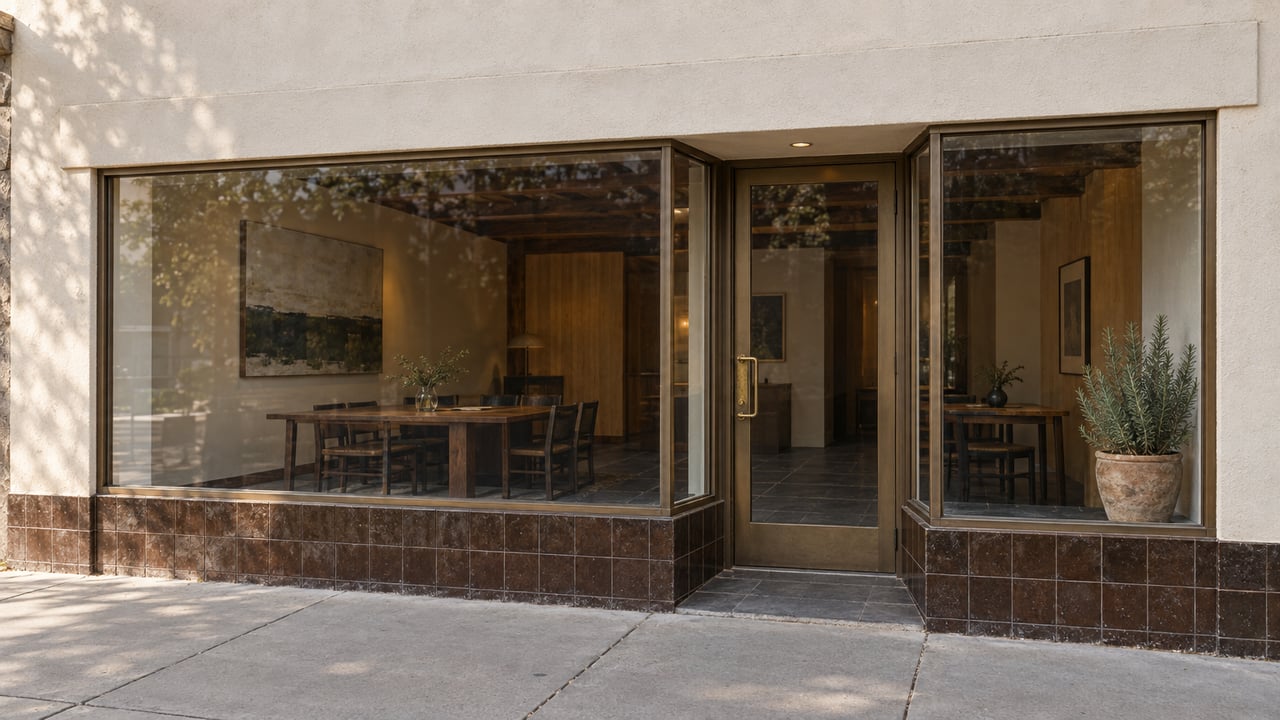

According to the AARP, 90 percent of adults over the age of 65 want to remain at their current residence. “Aging in place” is defined by the CDC as “the ability to live in one’s own home and community safely, independently, and comfortably, regardless of age, income, or ability level.” Taking the long view and making some modifications can help them enjoy their home for as long as possible.
Personal Safety and Mobility
Physical activity is very important to maintaining independence and general well-being. Gentle exercise, like tai chi, helps maintain balance, strength and overall confidence. Successfully performing the sit-to-stand test, is a strong predictor for healthy aging and self-sufficiency. Strength training and good nutrition bring improvements at any age.
Health care providers should review medications and point out those that may cause dizziness or affect balance. Older folks should stay current with vision care, and brighter lighting may be needed for tasks, using stairs and walking.
Living Space Modifications
Universal Design is an architectural approach developed to ensure safety and comfort for everyone, regardless of age or ability. Many newer homes utilize these features. Older homes, so common in the East Bay, can benefit from the same concepts. Basic modifications to a living space facilitate ease of movement and independence. Done thoughtfully, these changes are aesthetically pleasing and offer improved convenience for all members of the household.
Since falls are one of the leading causes of injury and death among older adults, it’s important that interior traffic flow is unobstructed. Remove throw rugs or secure them with double-sided tape. Clear clutter like clothing, books, shoes or papers, especially from the floor. Keep frequently used items on lower shelves.
Adequate lighting is essential. As we age, our eyes become less efficient at gathering light. Light sensitivity increases though and we need more time for our eyes to adjust when the light level changes. Elders’ vision is also less sensitive to contrast. Combining brighter lighting with higher contrast in home decor minimizes these effects.
The kitchen and the bathroom are a priority when modifying a home for older folks. Touch-free or lever handle faucets are easiest to use. A pullout sprayer in the kitchen is practical and not complicated to add. It’s easy to change to a hand held shower head, which can also be used while seated.
The right flooring choices minimize slipping risk. Non-slip tile is safer and easy to clean. A slip preventing finish can be applied to existing stone or tile. Cork flooring is also easy to maintain and is comfortable for standing.
Confirm that appliances like the coffee maker, have an automatic shut-off. Of course, smoke and carbon monoxide detectors plus an easy to use fire extinguisher are essential.
There are also many options for jar openers and other special utensils that make kitchen tasks easier for folks with arthritis or decreased grip strength.
As Needs Change
Ramps are a great option, not only to people who use a wheelchair, but also to those who want an easier way to navigate the entryway. If a walker or wheelchair is needed, the residence should have additional clearance around all doorways. In most homes, these openings are only 24 inches. 42 to 48 inches of clearance for pathways and halls is needed to accommodate a wheelchair or walker. Doorways should be at least 36 inches wide for the same reasons.
Our homes are getting smarter and smarter and this is fantastic for folks who want to age in place. From vacuuming robots to a wi-fi enabled deadbolt lock, these options will only improve and increase.
At Red Oak we are dedicated to supporting our East Bay neighbors. We would be delighted to share our plentiful and practical ideas, both for our elders and those that love and care for them. Contact us.