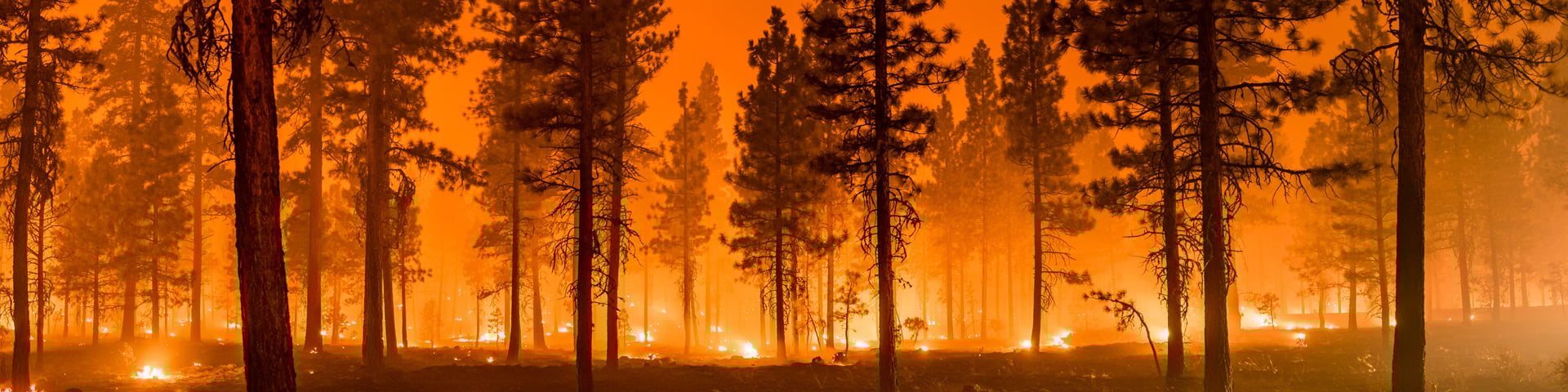
This October marks the 30th anniversary of the Oakland Hills firestorm. For many, that event marked the start of what was to become “fire season” in the Bay Area, and now it seems, California at large. Each year fire season seems to start earlier, and this year is no exception.
Researchers have confirmed that 2021 is looking bleak due to the fuel-moisture content (FMC), which measures the ratio of moisture to flammable material in plants, trees, and shrubs. The lower the FMC, the more prone they are to burning. The 2021 samples from the Santa Cruz Mountains are 40% below average, which is unprecedented.
Prepare Now
Regardless of where you live in California, it’s important to make a plan and share it with your family, know the closest shelter, make accommodations for your medical needs, and collect emergency contact information for family, neighbors, the nearest hospital and police station. Build an emergency kit or "go bag" and have it easily accessible in your house, or keep smaller versions permanently in your car. A mobile hotspot, battery backup or generator might also be a good idea. Watch for updates on SF Chronicle's Fire Map & Tracker, @CaFireScanner on Twitter, or Alert Wildfire's Map.
Refer to the previous Red Oak blog post on house hardening and the precautions that homeowners can take now to protect their homes from wildfires. We certainly can’t predict what’s going to happen, but we can all do our part to help protect our homes and our communities by following some wise tips.
Insurance
This may not be the first thing you want to think about, but it is critical to ensure your home is well-protected. When determining the amount of coverage for a home, insurance companies put the responsibility on the insured, so request a review of your coverage every 1-2 years. This helps keep you up-to-date on the increasing cost of construction and avoid depreciating policies. Make sure you disclose any changes or upgrades you've made to the home.
You may also want to ask about extended replacement costs, building code upgrades and how, in the case of a total loss, the claim is paid out. It’s important to know how the claim is paid out under different scenarios as well. Become savvy enough to ask what happens in the case of multiple losses, for example, like the Paradise fire versus a primary residence loss.
If you recently experienced a hike in your premium, you’re not alone. Some homeowners are finding that their carrier is pulling out of the state and are forced to find new coverage. Don’t panic. Start with an insurance agent who can help you to find the proper coverage by shopping around with multiple carriers. Be sure to ask the right questions. Do not assume a preferred rate. Even if you’re a longtime homeowner and haven’t seen any changes to your policy, make sure you have a complete understanding of what your coverage includes.
Now might also be a good time to take inventory of your home and all of your belongings using videos and photos. You may also want to investigate the benefits of additional or alternative coverage.
We can't control fire or the weather, but we can control how prepared we are. If you need a referral for an insurance agent, or have any questions, please don't hesitate to reach out, and most of all, stay safe!