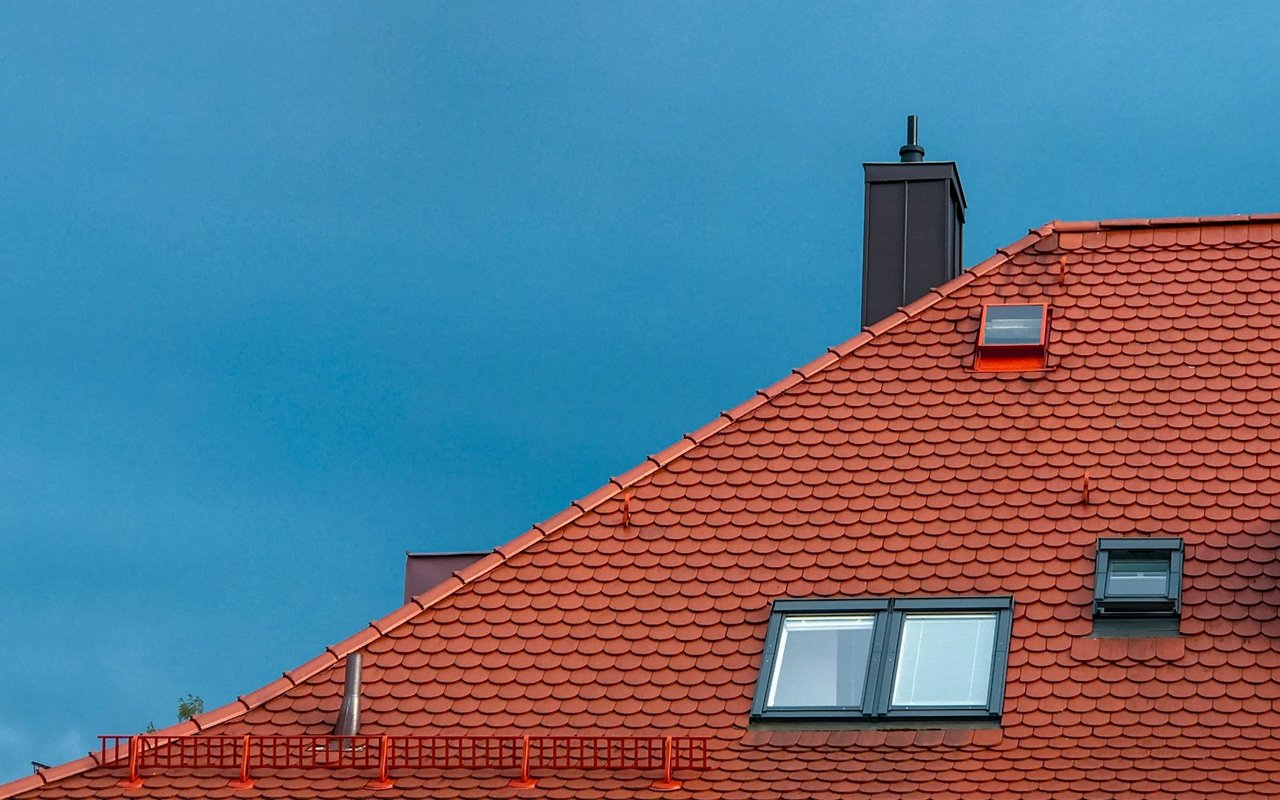

Sometimes the last thing we think about is quite literally the roof over our head, but it is also one of the most important parts of a home. Ignoring your roof can have dire consequences, so what should you know about roofs to keep you safe and sound?
Old Roofs
Depending on the type of roof you either inherited, or had installed, many typically last between 20 and 25 years, some much longer depending on the material and the weather conditions where you live. Once a roof starts nearing its age, it’s a good idea to start consulting with local roofers. If you don’t have the receipt of the last roof installation, you’ll be able to tell replacements are needed when you can see shingles are visibly worn, curling up, cracks are visible, your roof starts to droop, there’s mold or moss, or if you’ve experienced multiple leaks.
If you are looking to sell your home and your roof is at the end of its life, you may want to consider replacing it. This can help with buyer confidence in the structural integrity of the home, leaving one less reason to renegotiate before closing due to an inspector’s report. A newer roof can also increase the resale value of your home with a 75% return on investment according to Remodeling’s 2020 Cost vs. Value Report.
New Roofs
If you are looking to replace your roof, we recommend that you use a licensed roofer or contractor familiar with the extensive California roofing codes. They should cover potential costs that can be incurred from property damage, worker injuries on your property, or incomplete/faulty work that may require revisions. Replacing or repairing a roof can be expensive, but make sure you aren’t tempted by low prices. The roof is arguably one of the most important aspects of your home so make sure it’s done correctly.
In addition, the Bay Area has experienced a high number of destructive fires in the past few years, so if you live in a high-risk fire zone you’ll want to make sure your roofing materials are as fire resistant as possible. Roofing materials exist in different classes labeled A, B and C, with A having the most fire resistant materials such as clay tiles, metal roofing, and fiberglass asphalt competition shingles. If you aren’t sure what materials you should use, turn to your roofers as they can help you determine what is best for your home.
Maintenance
Be sure to trim your trees on a regular basis to reduce normal wear and tear of your roof and to avoid any structural damage during high winds. To avoid moss or mold that tends to grow between shingles, make it a practice to wash your roof at least once a year and unclog your gutter at least biannually.
Red Oak agents have plenty of resources at our fingertips so if you need a referral to a roofer, general contractor or anyone else, let us know - we’d be happy to help.