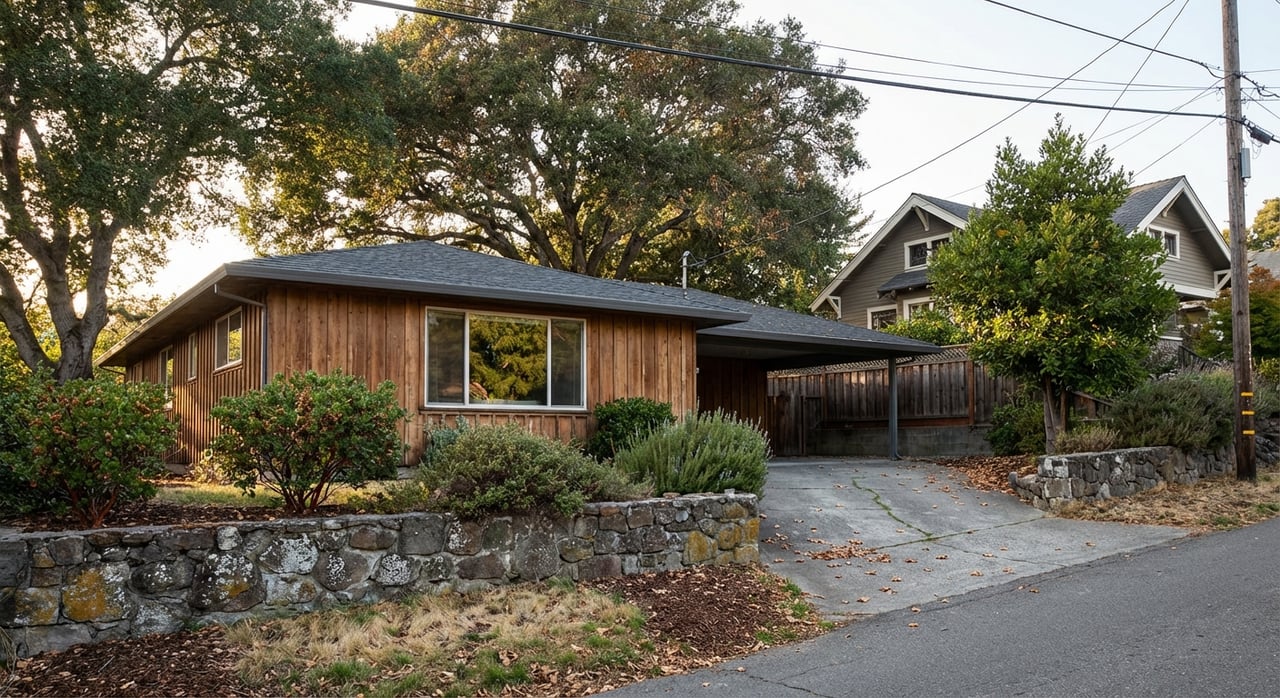

For most East Bay homeowners, property taxes are the largest tax payment they make. This revenue provides the foundation of county, city, and other local budgets, funding a wide array of public services. Schools, from kindergarten to junior college, libraries, parks, and public safety all depend on them.
How are Property Taxes Calculated?
Property taxes are calculated based on the assessed value of the property. Conducted by the county assessor's office. In California, the amount of the assessment is determined when there is a change in ownership, so is usually derived from the purchase price. The assessed value is then multiplied by the 1% general tax rate. Added to the 1% base rate are various voter-approved local assessments. In the East Bay, those include funding for everything from regional parks, school bonds, and BART to hazardous waste and vector control, among other things.
California's property tax system is influenced significantly by Proposition 13. Under Prop. 13, property taxes are capped at 1% of the property's assessed value, with annual increases limited to 2% or the rate of inflation, whichever is lower. This has led to disparities in property taxes paid by long-term property owners and more recent buyers.
Prop. 13 also widened the distinction between the assessed value and the market value of a property, as it limited reassessments to when a property changes ownership. As a result, most long-term property owners pay property taxes based on assessments far below the current market value. This has led to revenue constraints for local governments and has been a topic of debate and reform efforts for decades.
While Proposition 13 provides stability for long-term property owners, it has also created disparities in property tax revenue allocation, notably in education funding. Proposition 98 (passed by voters in 1988), guarantees a minimum level of funding for K-12 education, community colleges, and related services. Educational Revenue Augmentation Fund (ERAF) shifts a portion of property taxes from cities, counties and special districts to local school and community college districts, reducing the demands on the state’s general fund.
Challenging Property Tax Assessments
California homeowners have the right to challenge their property tax assessments. The process starts by appealing to the assessor in the county where the property is located. An overvaluation of the property, errors in the assessment, or changes in property conditions (following a natural disaster for example) are valid reasons to appeal.
For Alameda County, visit the County Assessor's website at Acassessor.
For Contra Costa County, visit the County Assessor's website at Contra Costa Assessor."
How?
Gather evidence to support your claim. This may include comparable sales data, appraisals, or photographs of your property that show any damage.
- Be prepared to negotiate with the county assessor. You may be able to get a reduction in your assessment without having to go to a hearing.
- If you are unable to reach a resolution with the county assessor, you can appeal the decision to the county Assessment Appeals Board. Be sure to follow the instructions carefully and submit all of the required documentation.
When a property is owner-occupied it is eligible for a $7,000 homeowners exemption, which reduces the taxable value. Be sure to take advantage of this!
Many of the local services that enhance life in the East Bay depend on revenue from property taxes. Getting involved with local government is a great way to understand and influence how that money is spent. Red Oak is an enthusiastic community participant and can help you get started. Reach out.