
If you’ve recently bought or sold a house, or plan to soon, you’re likely also thinking about your upcoming move. Even positive changes like these can bring challenges; having a plan and being aware of potential problems can go a long way to calm stress. That’s why we’ve put together this timeline as you prepare for your move.
Two Months Before
-
Sort, purge, recycle and donate. Will any items require special handling or removal processes?
- Investigate moving company options. Learn the difference between a mover and a moving broker. Get an on-site estimate in writing from each company and make sure it has a USDOT (U.S. Department of Transportation) number on it.
- Make an inventory list.
-
Collect your documents. Keep a hard copy file of some essentials, including estimates, receipts, and your inventory.
-
Work with your children’s school to transfer records to their new school district. They’ll need immunization records as well.
Six Weeks Before
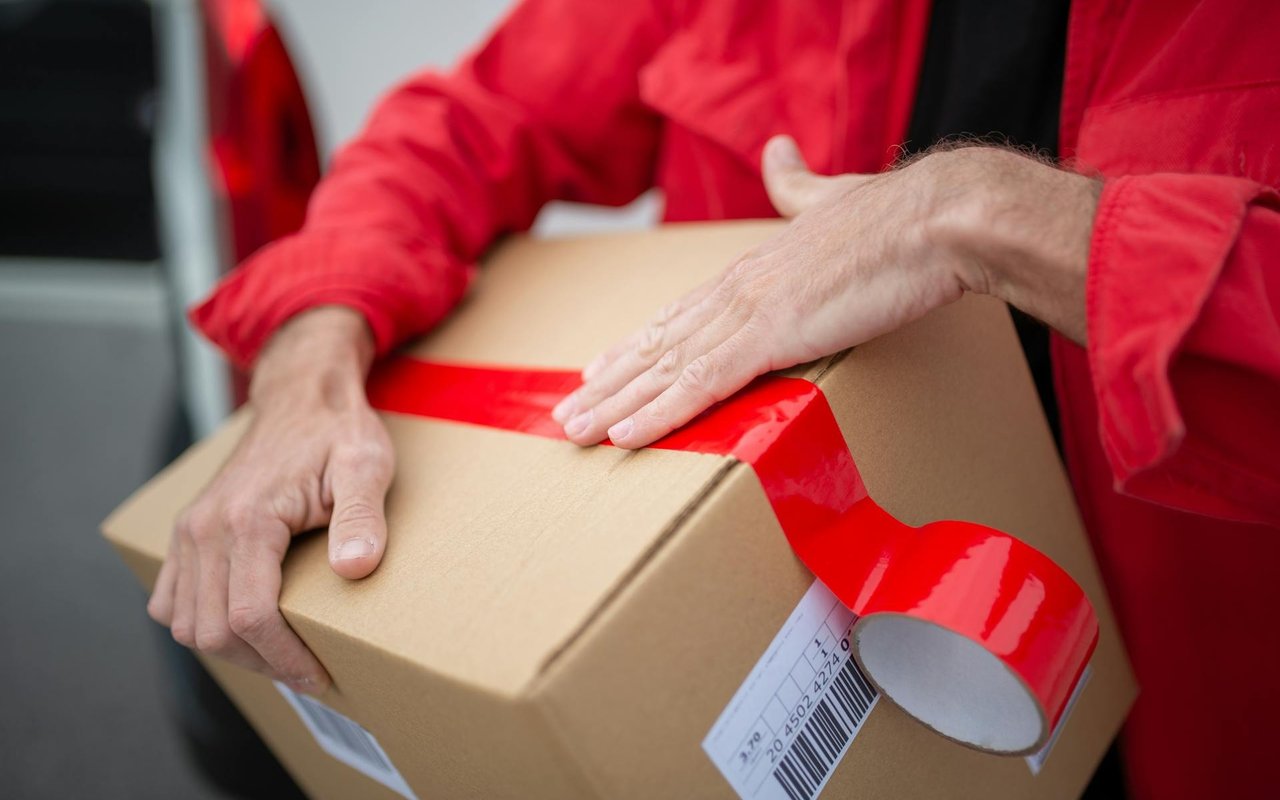
- Order supplies such as boxes, tape, bubble wrap and permanent markers. Look into specialty containers such as dish barrels and wardrobe boxes. You can even consider reaching out to your Realtor for used moving supplies - chances are they know someone who may have just unpacked their home.
- To make sure larger pieces of furniture will fit, check room and doorway dimensions at your new home.
- Choose your mover and confirm arrangements. Get written confirmation of your moving date, costs and other details.
- Start packing the things that you won’t need immediately, like the waffle iron and croquet set.
- Use a consistent labeling system; clearly label and number each box with its contents and the room it’s destined for. Pack and label “essential” boxes of items you’ll need right away.
- Assess the need for additional insurance. Depending on the value and fragility of your possessions and what the movers policy covers, you may want additional protection.
- Take special care when moving valuables. Add items such as jewelry, currency and important files to a secure container that you’ll personally transport to your new home. Make sure to put the mover’s estimate in this box.
- Change your mailing address with the post office and note the date that forwarding should begin. It’s wise to ask a close neighbor to look out for mail after you’ve moved. Check in with them two weeks after the move, and again two weeks after that.
- Notify important parties of your move. USPS forwarded mail may take a while to arrive at your new address.
-
Arrange for medical records to be sent to any new health-care providers or obtain copies of them yourself. Ask for referrals.
Two Weeks Before
-
If you’re moving to a different climate, ask your mechanic what you need to be aware of for your vehicle.
-
If you’ll be changing banks, remove the contents of your safe deposit box and put them in the secure container that you’ll take with you on moving day.
- Contact the moving company. Reconfirm the arrangements.
- If you have young children, arrange for childcare on the day of the move. You’ll likely be too busy to attend to their needs, and having children under foot can be dangerous as movers tend to work quickly. You may also want to make arrangements for your pets ahead of time.
A Few Days Before
- Make sure you have enough of your prescription medications to get through the next couple of weeks. Don’t forget to check on any meds for pets.
- Pack suitcases for everyone in the household with enough essentials to last for a few days.
-
Clean out and unplug the refrigerator, if it’s moving with you.
- Check the details once again. Reconfirm the moving company’s arrival time and other specifics and make sure you have prepared exact, written directions to your new home. Make sure to provide your contact information.
-
Plan for the payment. If you haven’t already arranged to pay your mover with a credit card, get a money order, cashier’s check or cash for payment and tip. Don’t forget that refreshments are always appreciated.
Moving Day
-
Make sure that the moving truck that shows up is from the company you hired. The USDOT number painted on its side should match the number on the estimate you were given.
- Be sure to secure any pets, whether in carriers or with sitters, before the movers begin. Moves are stressful on pets and the chaos may cause them to flee.
- If possible, check boxes off your inventory list as they arrive in your new home. Be sure to confirm before the movers leave and assess any damage as well. Sign the bill of lading/inventory list and keep a copy.
-
Your careful planning should minimize any problems, but if something is amiss, know your options.
Congratulations on making this important life transition! Wherever you are, we will be there to guide you, suggest resources and cheer you on. If you need resources in the middle of a move or while contemplating one, contact us.