Fostering a safe and welcoming community starts with being a good neighbor, whether new to an area or not. The quality of a neighborhood is significantly influenced by the attitudes and behaviors of its residents. To help cultivate a kind and considerate environment year-round, consider implementing these valuable practices:
1. Be Mindful of Noise
Respecting noise levels, especially during late-night or early-morning hours, is crucial. Avoid loud music, slamming doors, or hosting noisy parties during these times. This is particularly important in townhouses or condos where shared walls make noise more noticeable. If planning to host a late-night event, courteously inform neighbors in advance to minimize disruptions and contribute to a peaceful atmosphere.
2. Manage Pets Responsibly
It may be hard to imagine, but not all neighbors will share an enthusiasm for pets. Ensure that dogs don’t bark incessantly, especially at night, and always clean up after them. Keeping dogs leashed and secure helps to ensure the safety and comfort of others.
3. Maintain Your Home’s Exterior
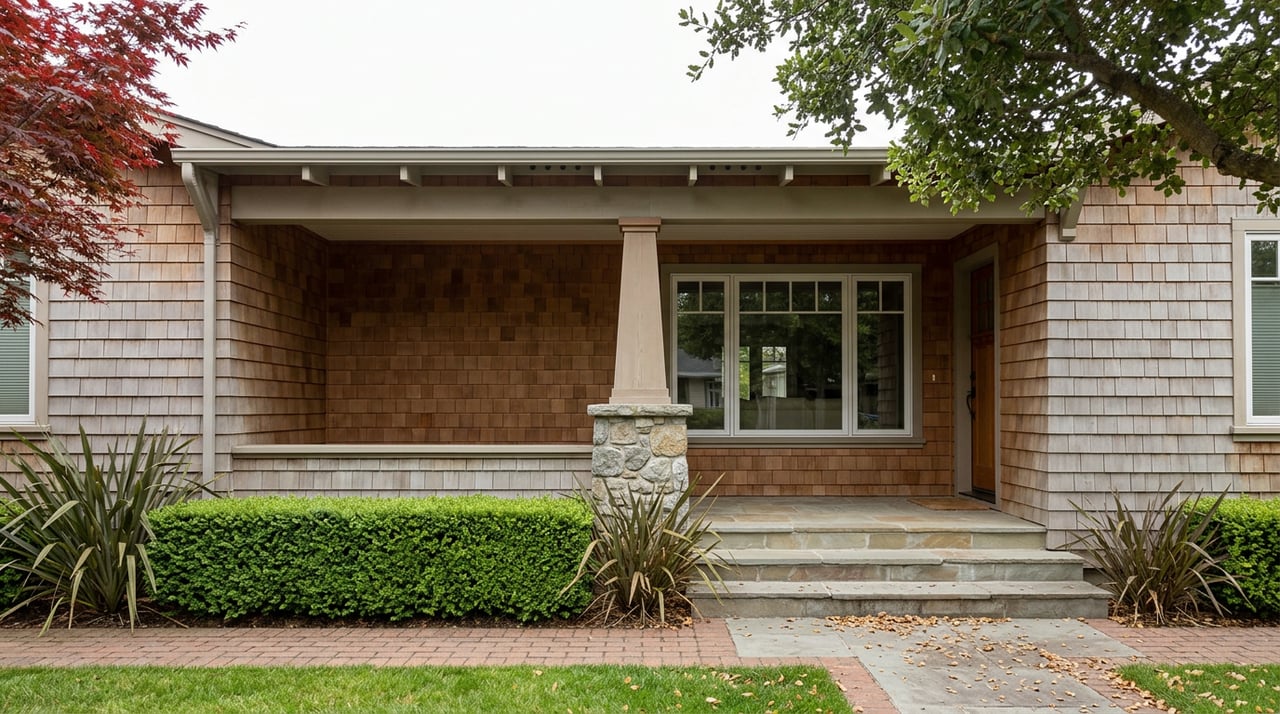
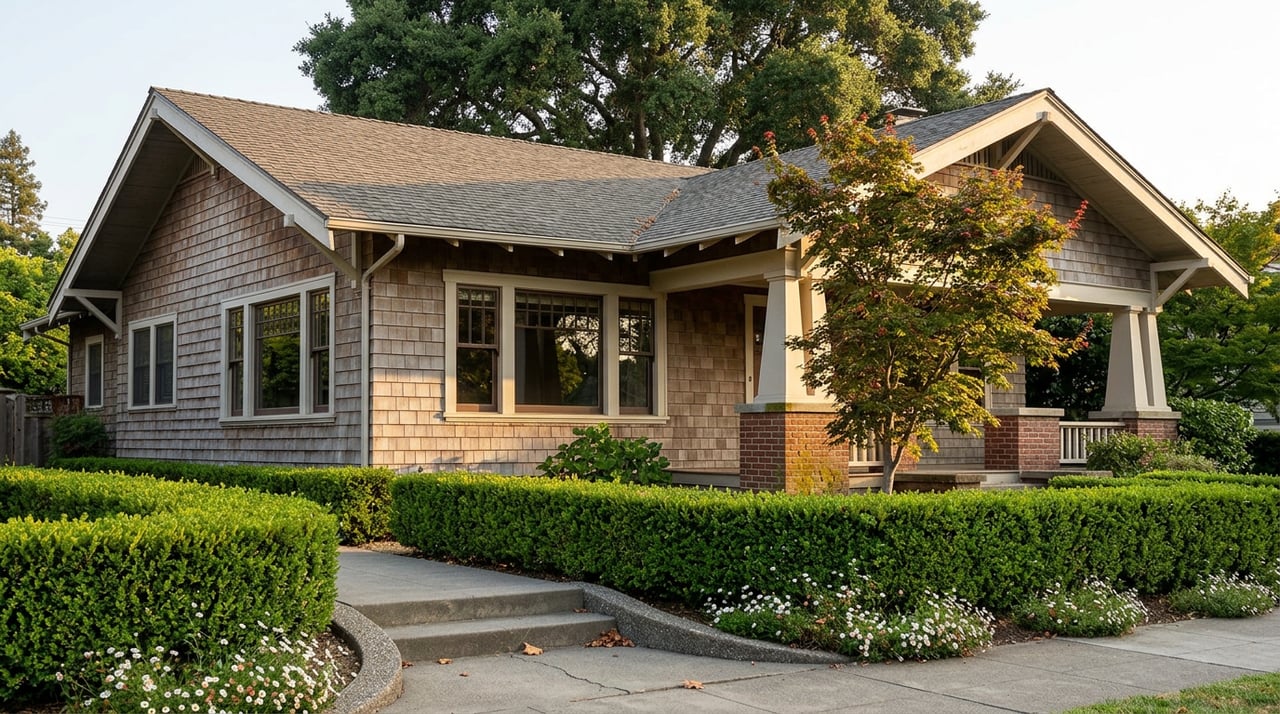
A tidy and well-maintained home exterior enhances the neighborhood's overall appeal and property values. Regular lawn care, hiding trash bins, upgrading mailboxes, and trimming trees can significantly improve curb appeal and foster positive relationships with neighbors.
4. Be Helpful
Small acts of kindness can greatly benefit both you and your neighbors. Assist a neighbor with groceries, share local knowledge, or offer practical help whenever possible. What skills and/or resources can you share to support your neighbors? Helping to move items, sharing gardening tips, and lending a helping hand are just a few ways to be a good neighbor.
5. Get Involved in the Community
Participating in community activities often provides opportunities to connect with others. Attend HOA meetings, participate in events and cleanups, and comply with neighborhood rules. Engage in initiatives that aim to improve the neighborhood. Involvement can lead to a more connected and supportive community, enhancing the overall living experience.
6. Address Conflicts with Care
Issues between neighbors, such as noisy pets or property damage, should be addressed directly and respectfully. Avoid anonymous complaints or gossiping. Instead, set up a meeting to discuss concerns calmly and constructively, aiming for mutually beneficial solutions. Direct communication fosters positive resolutions and strengthens neighborly relationships.
By adhering to these practices, you contribute to a harmonious and supportive community where everyone feels safe, respected, and valued. Being a good neighbor involves more than just coexistence; it's about actively creating a positive environment for all. If you’re looking for a new neighborhood, or have additional ideas to share, reach out!