Living in the East Bay comes with many advantages: beautiful scenery, vibrant communities, cultural diversity, and much more. As residents we also know that we face the real risk of experiencing earthquakes, and as they say, it’s not a question of if an earthquake will occur, but when. Being prepared can make a significant difference for you and your loved ones. And with all of the recent earthquake activity north of the Bay Area (Tsunami anyone?) this information might be helpful:
1. Understanding the Risk
The East Bay sits along the Hayward Fault, one of the most active faults in California. Scientists estimate a high probability of a significant earthquake occurring in this region within the next few decades. Understanding this risk underscores the importance of preparation, as even a moderate quake can cause considerable damage.
2. Create an Emergency Plan
An emergency plan ensures everyone in your household knows what to do before, during, and after an earthquake:
- Discuss Safe Spots: Identify sturdy furniture or structural areas where you can "drop, cover, and hold on."
- Communication Plan: Establish a way to contact family members if separated. Text messaging often works better than calls during emergencies.
- Evacuation Routes: Know how to safely leave your home or building if necessary.
- Meeting Point: Determine a safe place to reunite if you are not together when the earthquake strikes. Many communities designate locations like schools and local churches.
3. Assemble an Earthquake Kit
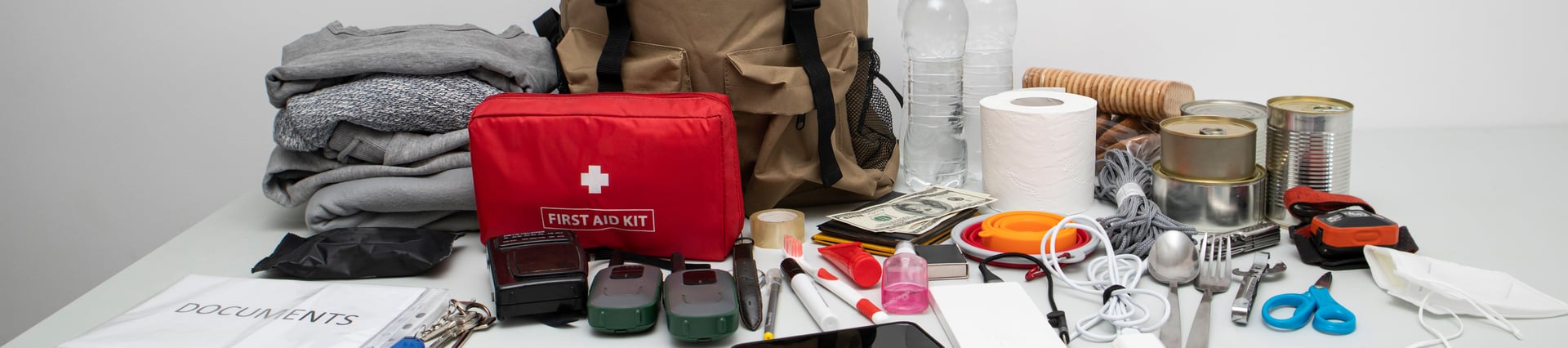
Your earthquake kit should contain enough supplies to sustain your household for at least 72 hours. Include:
- Water: At least one gallon per person per day.
- Food: Non-perishable items such as canned goods, energy bars, and dried fruits; remember pet food also!
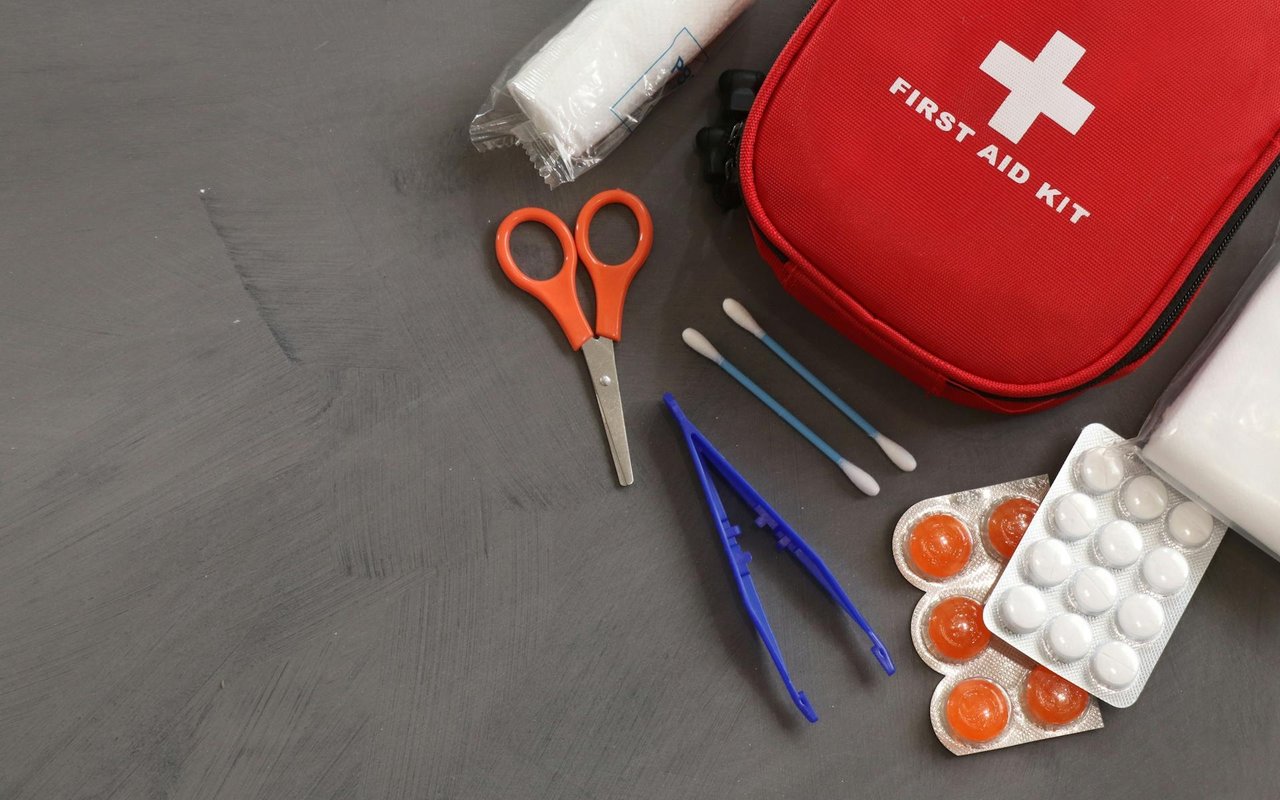
- First Aid Supplies: Bandages, antiseptic, prescription medications, and pain relievers.
- Tools: Flashlights, batteries, a multi-tool, a whistle, and a manual can opener.
- Hygiene Items: Hand sanitizer, moist towelettes, garbage bags, and sanitary supplies.
- Important Documents: Copies of IDs, insurance policies, and emergency contact information.
- Miscellaneous: Items for infants, or anyone with special needs, medications, etc.
Store your kit in an easily accessible location and check it annually to replace expired items.
4. Secure Your Home
Minimize hazards and protect your property by taking the following steps:
- Anchor Heavy Furniture: Secure bookshelves, cabinets, and large appliances to walls to prevent tipping.
- Use Earthquake Straps: Secure TVs, computers, and other valuable items.
- Install Latches: Add safety latches to cabinet doors to keep contents from spilling out.
- Brace Water Heaters: Secure water heaters to wall studs to prevent movement and damage.
- Check Foundations: Ensure your home’s foundation is reinforced and bolted.
5. Stay Informed
Knowledge is power during emergencies:
-
Sign Up for Alerts: Subscribe to local emergency alert systems like Nixle or ShakeAlert for real-time updates. Many Bay Area residents were confused by the recent Tsunami warning following a 7.0 earthquake further north. For detailed information when these occur, you may find this website helpful.
- Learn First Aid: Take a basic first aid and CPR course to prepare for potential injuries.
- Attend Community Drills: Participate in earthquake preparedness events to practice safety protocols and learn from experts.
6. Practice Earthquake Drills
Regular drills ensure everyone knows how to respond quickly and effectively. Remember the three key steps:
- Drop to your hands and knees to prevent being knocked over.
- Cover your head and neck under sturdy furniture or with your arms.
- Hold On to your shelter until the shaking stops.
By practicing these steps at home, work, and school it helps to build muscle memory and reduce panic during an actual event.
7. Know What to Do During an Earthquake
When an earthquake strikes, stay calm and follow these guidelines:
- Indoors: Drop, cover, and hold on. Stay away from windows, mirrors, and heavy objects that could fall.
- Outdoors: Move to an open area away from buildings, trees, and power lines.
- In a Vehicle: Pull over to a safe spot, avoiding overpasses and bridges, and stay inside until the shaking stops.
8. Prepare for Aftershocks
Aftershocks are common and can cause additional damage. Treat them like the main quake and remain cautious. Inspect your home for structural issues, gas leaks, and other hazards before re-entering.
9. Additional Resources
- FEMA
While earthquakes are unpredictable, preparation fosters resilience. By taking proactive steps everyone can mitigate risks and protect what matters most. Preparation can save lives, reduce injuries, and minimize damage. Please share this guide with friends and neighbors to help create a safer, more resilient community for everyone. Questions? Suggestions? We would love to hear from you!