Wondering whether a house or a townhome makes more sense in Lafayette? You are not alone. In a city where detached homes still define much of the market, attached homes offer a different path that can better fit your budget, daily routine, and maintenance preferences. If you are weighing both options, this guide will help you compare cost, lifestyle, resale considerations, and location fit so you can make a more confident choice. Let’s dive in.
Lafayette Housing Types
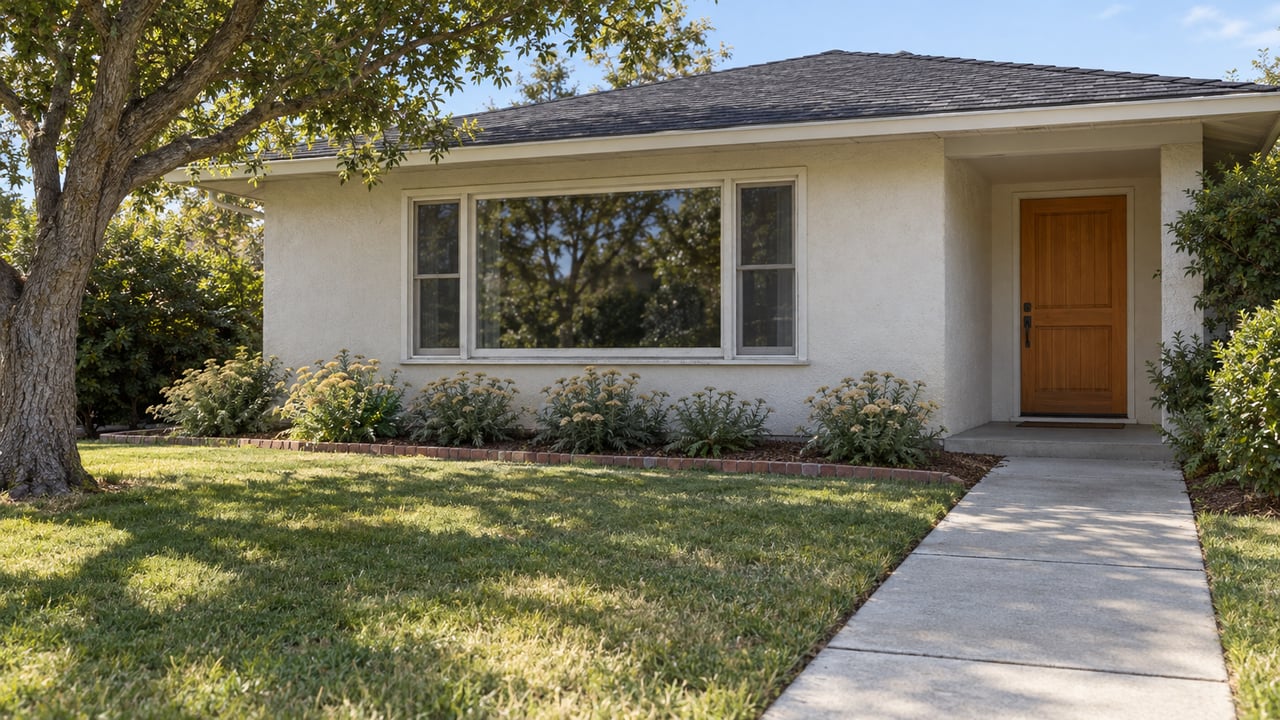
Lafayette is still a single-family-home-heavy market. The city reports that single-family homes make up 82% of the housing stock, with more than 1,700 multifamily homes located in and around downtown. That helps explain why detached homes often feel like the default choice here.
At the same time, attached housing has become a more visible part of the local market, especially near downtown. Recent city updates highlight communities like Blue Oak, The Brant, and Oak Hill, while the city’s housing inventory also includes projects such as Woodbury Highlands, Samantha Townhomes, The Mill at Brown Avenue, and 950 Hough. In Lafayette, townhomes and condos are not spread evenly across the city. They are more concentrated in downtown and transit-oriented areas.
Compare Price and Inventory
For many buyers, budget is the first filter. In Lafayette’s 2025 year-in-review, single-family homes averaged $2,401,062, averaged 24 days on market, and sold for just under 101% of final list price. There were 280 single-family closings during the year, which shows how much larger the detached-home market is.
Attached homes covered a wide range. The same year-in-review reported 34 condo and townhome closings in Lafayette, with sale prices ranging from $480,049 to $2,750,895. That range matters because it shows attached housing is not just one product at one price point.
Current inventory also appears limited. A public listing snapshot showed 4 townhouses for sale in Lafayette with a median listing price of $938,000, which suggests buyers may not have many attached options at any given time. Bay East’s June 2026 report for the Moraga, Lafayette, and Orinda attached market showed 23 active listings, 12 sales, 2.1 months of inventory, a median sale price of $833,250, and about 23 days on market.
Quick Price Snapshot
| Property type | Local context |
|---|---|
| Single-family homes | 2025 average sale price of $2,401,062 in Lafayette |
| Condo/townhome sales | 2025 sales ranged from $480,049 to $2,750,895 in Lafayette |
| Current townhome listing signal | 4 townhouses for sale with a median listing price of $938,000 |
Think About Monthly Ownership Costs
A lower purchase price does not always mean a lower total monthly cost. Townhomes often give you a more accessible entry point than detached homes, but you still need to factor in HOA dues, reserve funding, and the possibility of special assessments.
That is especially important in California common-interest developments. The state explains that HOAs make and enforce rules, collect fees, and govern these communities. If you are comparing a Lafayette home and a Lafayette townhome, the monthly budget should include more than just mortgage, taxes, and insurance.
What to Review in an HOA
Before you buy an attached home, ask for and review:
- CC&Rs
- Bylaws
- Annual budget report
- Reserve summary
- Reserve funding plan
- Insurance summary
- Any indication of a possible special assessment
California law requires annual budget reports to include reserve and insurance disclosures. The reserve summary also asks whether projected reserve balances are expected to be sufficient over the next 30 years. That makes these documents useful for understanding not just current costs, but future risk.
If the property is part of a condominium project, you should also confirm whether the association is FHA- or VA-approved. California’s required annual budget disclosures include FHA and VA certification status for condo projects, and that status can affect financing flexibility and the future resale pool.
Compare Lifestyle and Maintenance
The daily ownership experience can feel very different between a detached home and a townhome. In general, detached homes give you more private outdoor space and more control over the property itself. A townhome usually offers a smaller footprint and a lower-maintenance lifestyle.
That trade-off is especially relevant in Lafayette. The city’s newer downtown attached communities are often positioned around easier living and access to downtown amenities. If your weekends are already packed, less exterior upkeep may be a real advantage.
On the other hand, if you want a larger yard, more separation from neighbors, or fewer HOA rules, a detached home may feel like the better long-term fit. Since Lafayette’s housing pattern still leans strongly toward single-family homes, many buyers start there and only shift toward townhomes when lifestyle or budget points them in that direction.
Townhome May Fit Better If You Want:
- Lower-maintenance living
- A smaller footprint
- Easier access to downtown Lafayette
- Closer proximity to Lafayette BART
- A potentially lower entry price than a detached home
Single-Family Home May Fit Better If You Want:
- More private outdoor space
- A larger lot
- More privacy
- Fewer HOA rules
- More control over the property
Consider Location Within Lafayette
In Lafayette, property type and location are closely connected. Much of the newer attached housing is concentrated in downtown or near transit, so if you are shopping for a townhome, your search may naturally focus there.
That can be a strong plus if you want a more walkable routine. Blue Oak and The Brant are within walking distance of downtown shops, restaurants, and Lafayette BART, and Oak Hill is in the heart of downtown near BART and ground-floor retail. For some buyers, that convenience is the main reason to choose attached housing.
Detached homes often better suit buyers who want more exterior space and a different day-to-day rhythm. If access to open space matters, it is worth thinking beyond the home itself. Lafayette Reservoir sits about a mile from BART and offers hiking, jogging, fishing, boating, and picnicking, and the city says Lafayette has roughly 16 miles of trails, including the Lafayette-Moraga Trail and reservoir trails.
Resale Patterns Matter Too
Resale is never perfectly predictable, but Lafayette’s housing mix gives you useful context. Detached homes make up a much larger share of the city’s housing stock, and the number of annual single-family sales is far greater than the number of condo and townhome closings.
That does not mean townhomes are a poor choice. It means attached housing in Lafayette is a smaller, more specialized slice of the market. Buyers for these homes may be especially focused on downtown access, lower maintenance, or a more manageable price point compared with detached homes.
When you think about future resale, ask yourself whether your likely buyer will value the same features you do. A walkable location near BART and downtown can be a meaningful strength for an attached property, while lot size, private outdoor space, and greater separation may be stronger selling points for a detached home.
How to Make the Decision
If you are deciding between a Lafayette house and a townhome, it helps to focus on your actual routine rather than an idealized one. The best fit often comes down to how you want to live, what you want to spend, and how much upkeep you are willing to take on.
Ask yourself these questions:
- Do you want more indoor and outdoor space, or less maintenance?
- Is a lower entry price more important than avoiding HOA dues?
- Do you want to be close to downtown and BART?
- Would you use a larger yard often enough to justify the cost?
- Are you comfortable reviewing HOA finances and community rules?
- Does your financing depend on condo project approval status?
A detached home is often the better match if you want space, privacy, and flexibility. A townhome may be the smarter fit if you want convenience, easier upkeep, and a downtown-centered lifestyle.
Choosing well in Lafayette usually comes down to block-by-block context, not broad assumptions. If you want help weighing attached versus detached options in this market, Red Oak Realty can help you compare the real trade-offs and find the right fit for how you live.
FAQs
What is the main difference between Lafayette homes and townhomes?
- In Lafayette, detached homes usually offer more private outdoor space, larger lots, and fewer HOA rules, while townhomes often offer lower-maintenance living and are more commonly found near downtown and transit.
Are townhomes in Lafayette usually cheaper than single-family homes?
- Attached homes generally offer a lower entry price than detached homes in Lafayette, but your full monthly cost should also include HOA dues, reserve funding, and any potential assessments.
Where are most townhomes and condos located in Lafayette?
- Much of Lafayette’s attached housing is concentrated in and around downtown, including newer communities near shops, restaurants, and Lafayette BART.
What HOA documents should you review before buying a Lafayette townhome?
- You should review the CC&Rs, bylaws, annual budget report, reserve summary, reserve funding plan, insurance summary, and any sign of an expected special assessment.
Does condo approval status matter for Lafayette attached homes?
- Yes. If the attached property is part of a condominium project, FHA or VA approval status can affect financing options and may also influence the future resale pool.
Is attached housing common in Lafayette?
- Attached housing is part of the market, but Lafayette remains heavily oriented toward single-family homes, which make up 82% of the housing stock according to the city.