As most of us in the East Bay are aware, local drought conditions are severe and ongoing. Increasing your water conservation efforts is a valuable way to help the situation. California has a water strategy that uses a number of innovative projects and policies which may help in the long term. However, making changes to our habits and homes right now has many benefits for our state, planet and household budget.
The Yard
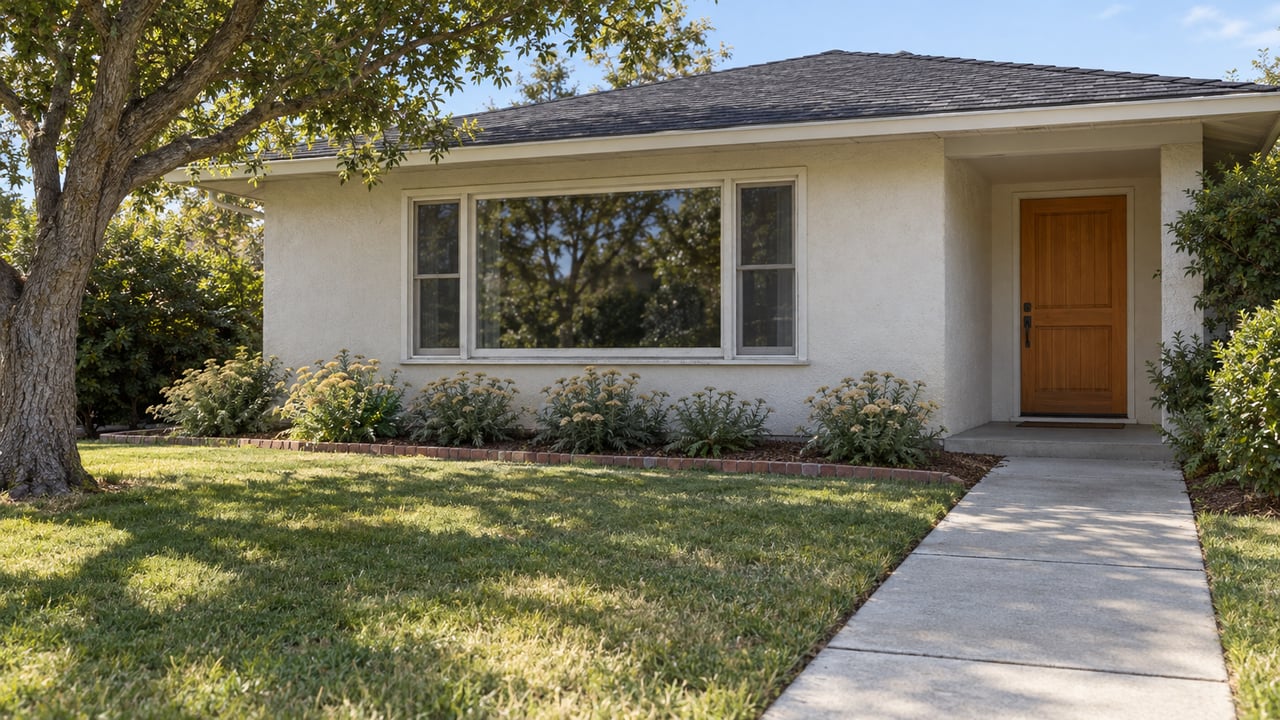
According to the EPA, we use at least 30% of our water outside. Maintaining green lawns is a significant contributor to that total. Removing the lawn and replacing it with a xeriscape - which uses plants that can thrive with as little water as possible - is a gratifying change to undertake.
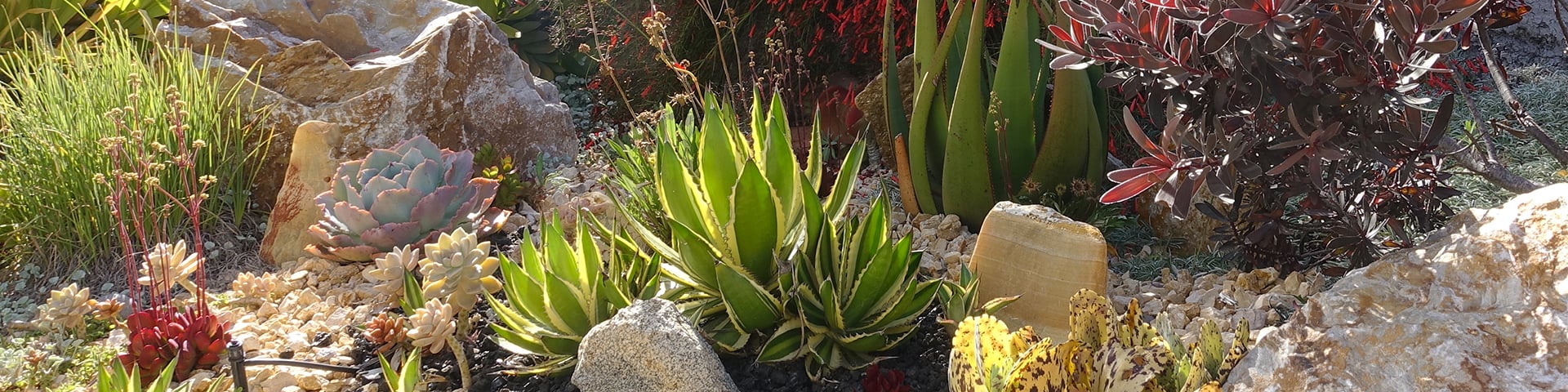
Grouping plants that have similar irrigation needs promotes efficient water use. Drip irrigation systems deliver water directly to the plants’ root zones, minimizing evaporation and waste. Planting shade trees reduces the need for watering overall, keeps the house cooler, and stores carbon.
When we do get some rain, there are good household methods for harvesting the rainwater to use in the future. This means you need a way to collect the rain (which typically means the roof of your house), then direct it with gutters and downspouts to a storage container. This water should be suitable for irrigating and fire suppression. Use caution when using it to water edibles as there may be toxins in the roofing material that wash off with the rain.
The Bathroom
The bulk of our indoor water use is in the bathroom. Most East Bay dwellers now have low flow toilets, but take a look for a flush volume or date stamp; it may be on the tank walls or lid, or between the seat and the tank with the seat down. The newer low flow toilets only use 1.2 gallons per flush (gpf), while older models, though designated low flow, use up to 1.6 gpf. In all cases it’s also fine to "let it mellow."
It’s easy to install a low flow aerator on the sink faucet and to replace the showerhead with a low flow variety as well. These simple fixes will also lower your energy bills.
The Kitchen
If you have a dishwasher, use it! It may be counter-intuitive, but it’s relatively water-thrifty compared to hand washing. Modern dishwashers don’t even require pre-rinsing; in fact, doing so may make it harder for the machine to do the job. Just scrape the solids into the compost before loading. If you don’t have a dishwasher, use a water saving technique. Check the sink faucet for a proper aerator too, of course.
If you have a garbage disposal, it’s best to use it as infrequently as possible. Add your scraps to the compost pile or the green bin and help out your East Bay garden.
There’s More
There are relatively simple ways to harvest and re-use your household greywater. It’s worth looking into a system to accomplish this, especially if you’re doing a remodel.
Catch the water that runs while you wait for it to warm up for a shower. Since it's potable, you can use it to cook with or drink. It’s also easy and inexpensive to insulate hot water pipes which will get the hot water to the faucets faster.
Check for leaks by looking at your water meter, waiting a couple of hours when all the water is turned off, then looking again. If there’s a leak the meter will continue to run. East Bay MUD has a number of helpful hints and devices to help, and Flume is particularly helpful in tracking down water use.
Believe it or not, our diets account for roughly half of our water footprint. Beef is a specially water-intensive food to produce. Making a shift away from animal products benefits our health as well as the water supply.
We would love to hear your suggestions for saving water. We’d also love to help you find resources for any and all of your projects. Contact us.