If you’re a California homeowner, it’s likely you’ve noticed the swirl of controversy around the homeowners insurance industry. Rates have climbed dramatically and in some cases, long held policies are not being renewed or the insurance company has left the state altogether. Those insurance companies that remain are being increasingly cautious.
If you know what may limit the insurability of your home, you might be able to mitigate some of the challenges homeowners, sellers and buyers are all facing today. Here are the key issues being closely scrutinized by insurance companies today along with a potential solution for home sellers:
- Wildfire Risk: California has experienced increasingly severe wildfires in the last decade, and homes located in high-risk wildfire areas may be difficult to insure or come with high premiums. As many as 2 million homes in the state are considered high risk for wildfires. Regardless of your location, it’s always good practice to create a defensible space around your home.
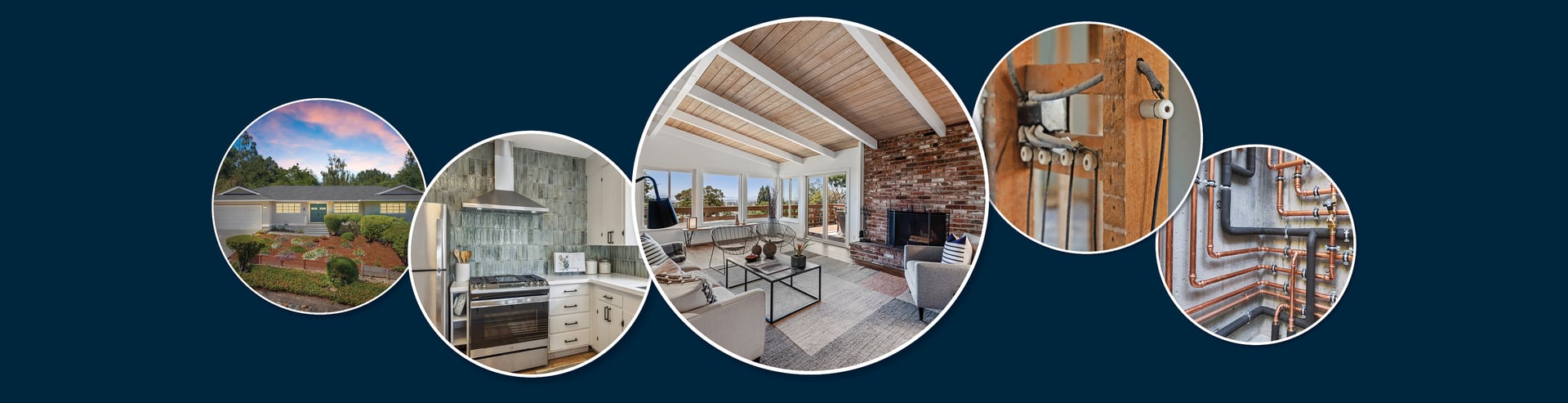
- Knob & Tube Wiring: This type of wiring is often found in older homes. Newer appliances and electrical devices require grounded wiring, which is the safer option. Many insurance companies are now requiring electrical upgrades before they will insure a home.
- Galvanized Plumbing: Galvanized pipes were often installed before the 1960s. These steel pipes are known to rust and corrode after decades of wear, which is why insurance companies prefer homes that have been upgraded with copper piping. Corroded steel pipes not only compromise your water supply, they can also cause leaks and burst.
- Additional High-Risk Features: Certain features of a home, especially an older roof or an older HVAC system, are red flags for insurance companies. Wood shakes as roofing or siding material, unreinforced masonry, and certain electrical panels, may also be considered risky.
- Earthquake Risk: The East Bay is a seismically active region, and homes may be at risk of earthquake damage. A seismic retrofit can help. To get earthquake coverage, you must purchase a separate, companion earthquake policy. This isn’t mandated, but it must be offered.
- Properties with deferred maintenance, like overgrown vegetation, may be considered higher risk, as are homes that may have had a large number of claims in the past, regardless of owner. Location plays a role too, not just in fire risk, but also when it comes to flooding and slide zones. Fortunately the East Bay sees a limited number of these types of risks.
If you’re considering buying or selling a home in the East Bay, it’s critically important to assess the insurance climate. Sellers may want to support a smooth transaction by making needed upgrades before marketing a home. Buyers should contact potential insurers early in the process, weighing budget and coverage considerations.

One potential solution for sellers is Red Oak Realty’s Enhance program. It allows homeowners to fix most of these insurance-related issues before going on the market - and pay those costs at close of escrow. The program can be especially valuable if your home has knob & tube wiring, galvanized plumbing or an older roof. These red flags can impact buyer financing and in a competitive market like this, it can make all the difference between losing money in a last-minute negotiation - or a smooth closing.
Enhance can also manage multiple improvements at the same time, like landscaping, painting, staging and minor remodels, again, allowing sellers to pay at closing.
If you’re curious about what Enhance has to offer, reach out.